

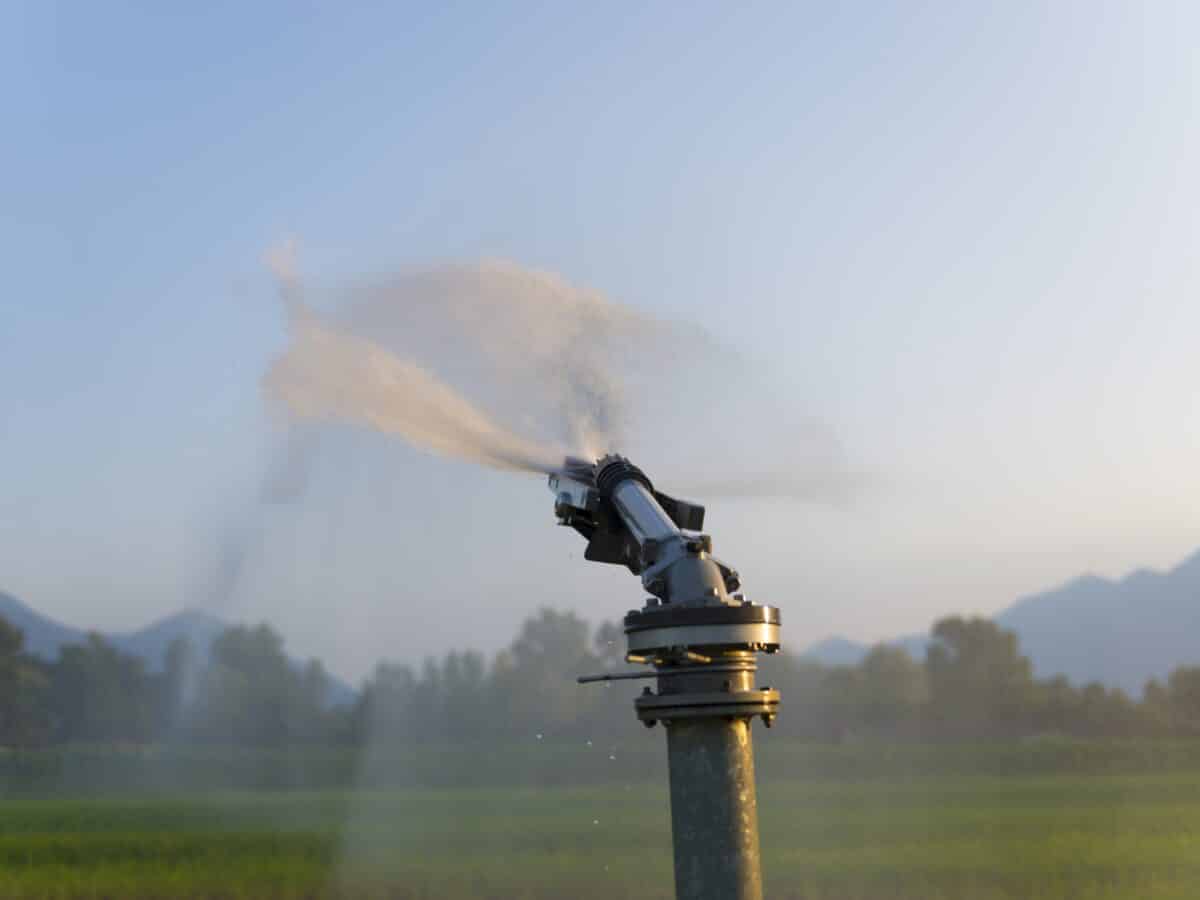
A sprinkler head throws water into the air and hopes gravity and wind cooperate. A drip emitter sets it down right at the root, a drop at a time. Both will keep a yard alive. They are not, however, interchangeable, and picking the wrong one for a given patch of ground means wasted water, soggy mulch, or a lawn full of brown patches. Here’s the honest comparison, including the hybrid setup most yards actually end up with.
The core difference in one paragraph each
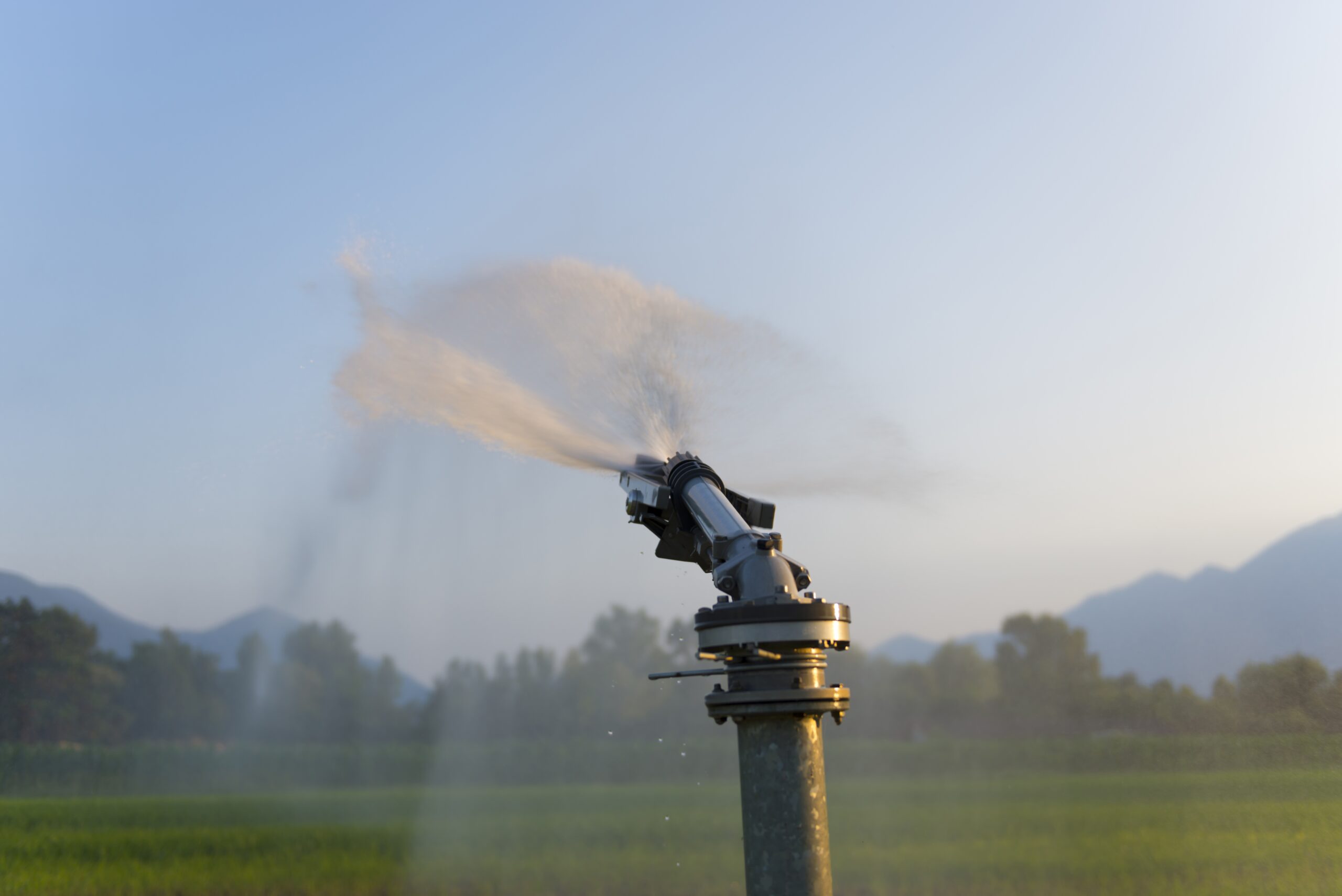
A sprinkler system (pop-up heads, rotors, or a hose-end unit) sprays water through the air over a wide area. It’s built to wet a continuous surface, which is exactly what grass needs and exactly what most garden beds don’t.
A drip irrigation system delivers water through tubing and emitters directly to the soil at the base of each plant, at a slow, measured rate, often a half gallon to two gallons per hour per emitter. Nothing sprays, nothing drifts in the wind, and very little evaporates before it reaches a root. For the mechanics, types of drip irrigation systems breaks down the different hardware options.
Drip irrigation vs sprinkler system: head to head
| Sprinkler system | Drip irrigation | |
|---|---|---|
| Best suited for | Lawns, large turf areas | Garden beds, shrubs, trees, containers |
| Water efficiency | Roughly 50-70% reaches the root zone; the rest is lost to wind drift and evaporation | Routinely 85-95% reaches the root zone |
| Upfront cost (small yard) | $300-$1,500+ installed, more with trenching and a controller | $60-$150 for a DIY bed or border setup |
| Weed growth | Waters weeds along with everything else | Only wets the soil near the emitter, so gaps between plants stay drier |
| Foliar disease risk | Higher; wet leaves overnight invite fungus | Low; foliage stays dry |
| Coverage on slopes | Uneven without head-to-head spacing checks | Even with pressure-compensating emitters |
| Maintenance | Head alignment, nozzle clogs, valve issues | Emitter clogs, occasional tubing punctures |
Why the water-use gap is as big as it is
Sprinklers lose water two ways a drip system mostly avoids: wind pushes spray off target, and fine droplets evaporate mid-air on a hot, breezy afternoon before they ever land. Run a sprinkler at noon in July and a meaningful share of what left the nozzle never reaches a root. Drip tubing sits on (or under) the soil, so the water that leaves the emitter is the water the plant gets, barring a thirsty patch of mulch. That’s why some municipalities with watering restrictions carve out exceptions for drip systems. Treat the percentages above as a starting point, not a guarantee, since the real savings depend on soil, climate, and how well either system is actually maintained. Check with your local water authority for the current rules in your area.
Where a sprinkler system still wins
Lawns, full stop. Grass wants every square inch of soil wetted evenly, and there’s no realistic way to do that with point-source drip emitters without an enormous number of them. A rotor or spray head covering a wide arc is simply the right tool. Subsurface drip for turf exists and does work in some setups, but it’s a bigger, pricier job than most homeowners expect; lawn drip irrigation covers where it actually pays off and where sprinklers still come out ahead.
Large, open areas with no permanent planting plan. A ball field, a meadow planting, anywhere the exact position of every plant isn’t fixed and known, favors broad coverage over precision.
Where drip irrigation wins
Garden beds, shrub borders, and trees. Plants that are spaced out and staying put for years are the textbook drip use case. Every plant gets water sized to its own thirst, and the two feet of bare mulch between a rose bush and its neighbor never gets wet at all.
Anywhere water is rationed or expensive. The efficiency gap matters most when every gallon counts, whether that’s a drought-prone region or a well with limited output.
Raised beds and containers. Fast-draining soil mixes dry out quickly and benefit from the frequent, gentle delivery drip is built for, rather than the brief deluge-then-nothing cycle of a sprinkler on a timer.
Plantings where dry foliage matters. Tomatoes, roses, and anything prone to powdery mildew or blight do better when the leaves never get wet in the first place.
Can you run both? (Usually, yes)
Most established yards end up as a hybrid rather than one system end to end. Sprinklers stay on the lawn zones; drip takes over the beds, hedges, and specimen plants. If an existing sprinkler zone is currently watering a bed it shouldn’t be, converting just that zone is often simpler than it sounds. You keep the valve, pipe, and controller, and swap in a drip adapter and a pressure regulator. The full walkthrough, including the run-time changes that conversion actually requires, is in how to convert a sprinkler system to drip irrigation.
Cost, installed vs DIY
A professionally installed sprinkler system for an average yard commonly lands somewhere in the low thousands once trenching, a backflow preventer, and a controller are factored in; drip irrigation system installation cost has the comparable numbers for drip, which runs dramatically lower because most of it is a DIY afternoon project rather than a contractor job. If you’re starting from zero rather than converting an existing zone, a pre-built kit is usually the easiest entry point; best drip irrigation system compares the kits worth buying.
A simple way to decide, zone by zone
- Grass anywhere: sprinkler.
- Vegetable beds, flower borders, shrubs, trees, containers: drip.
- A sloped planting bed that floods at the bottom with any hose-based watering: drip with pressure-compensating emitters.
- A yard under watering restrictions: drip wherever the plant layout allows it, since the efficiency gain is the whole point.
FAQ
Is drip irrigation actually cheaper than a sprinkler system long-term?
For beds and borders, yes, usually by a lot, both in water bills and in the lower upfront cost of a system most homeowners install themselves. For a lawn, drip isn’t really a comparable option in most cases, so the comparison doesn’t apply the same way.
Can I use drip irrigation for my whole yard, including the lawn?
Subsurface drip for turf exists and some installers do it, but it’s a significantly bigger and more expensive job than surface drip in a garden bed, and a clogged buried emitter is much harder to spot. For most homeowners, sprinklers remain the practical choice for grass.
Which system uses less water?
Drip irrigation, generally by a wide margin, because very little is lost to evaporation or wind drift before it reaches the soil. The exact percentage depends heavily on local conditions and how well either system is maintained, so treat any specific number as a starting point rather than a guarantee.
Do I need to choose one system for my entire property?
No. Running sprinklers on lawn zones and drip on bed and border zones off the same water line and controller is the most common setup in established yards, and it’s usually the most cost-effective one too.
Neither system is universally better. They solve different problems. Match the tool to what’s actually growing in each zone, and most yards end up running both side by side. More comparisons and setup guides live in Drip Irrigation Systems.