Drip Irrigation Backflow Preventer: Do You Need One (And How to Install It)
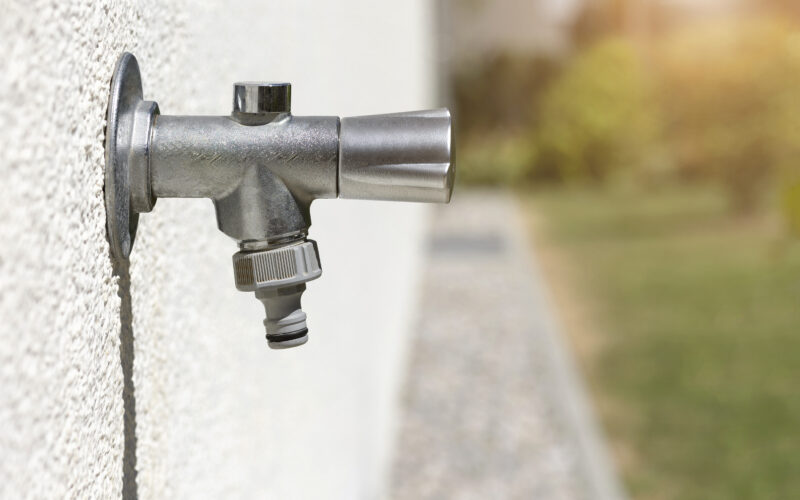
A backflow preventer stops fertilizer-tainted or dirty water from siphoning back into your drinking water. Here's whether you need one,…
Read the guide
Drip irrigation components explained: emitters, tubing, pressure regulators, timers, filters, and fittings.
A backflow preventer stops fertilizer-tainted or dirty water from siphoning back into your drinking water. Here's whether you need one,…
Read the guide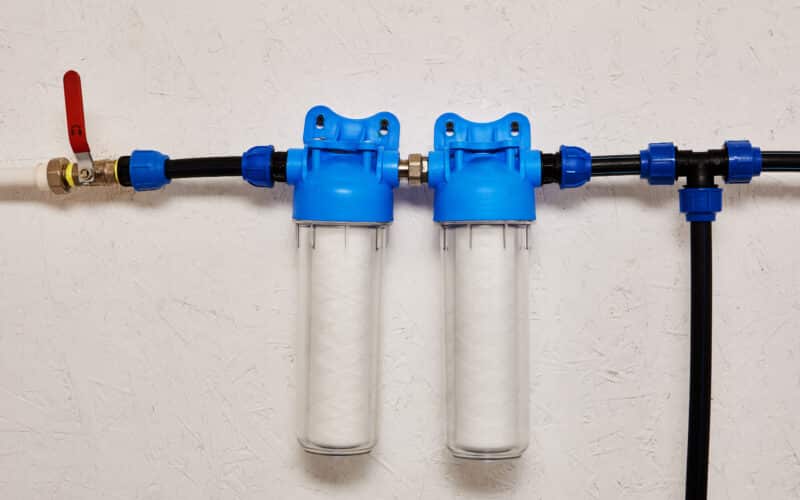
Short answer: yes, almost always. Here's what a drip irrigation filter actually prevents, which mesh size to buy, and how…
Read the guide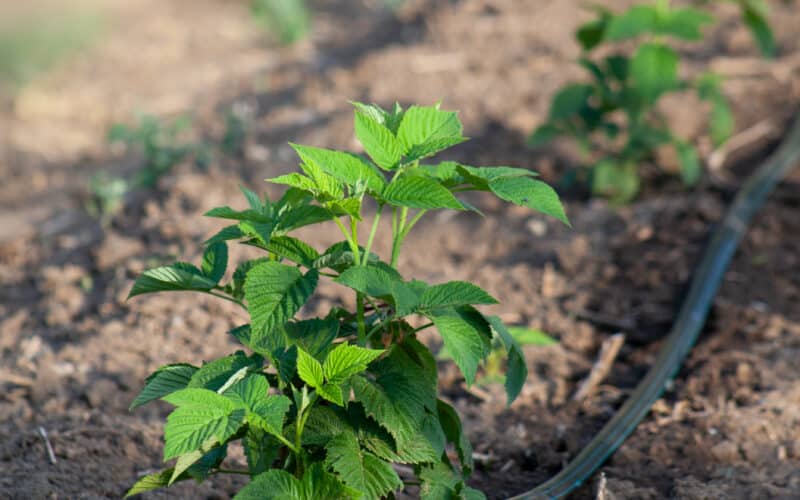
Drip tape is the thin, flat, disposable cousin of drip tubing, built for row crops, not permanent beds. Here's what…
Read the guide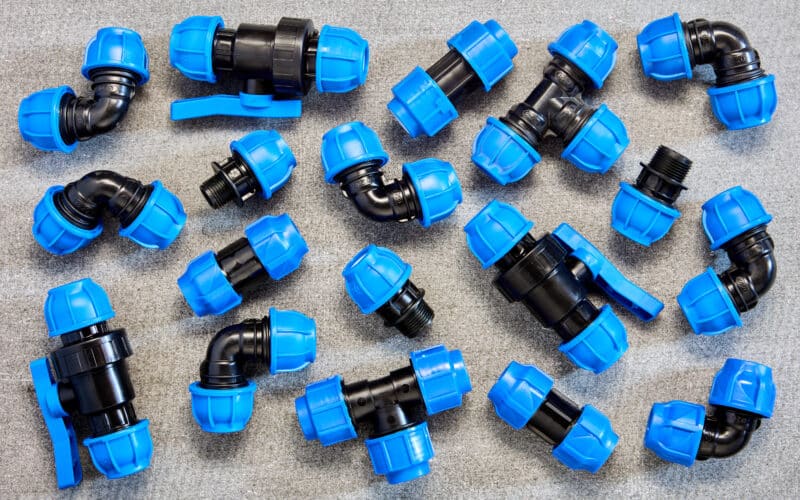
A drip system is really just six or seven parts: filter, regulator, mainline, fittings, emitters, and a timer. Here's what…
Read the guide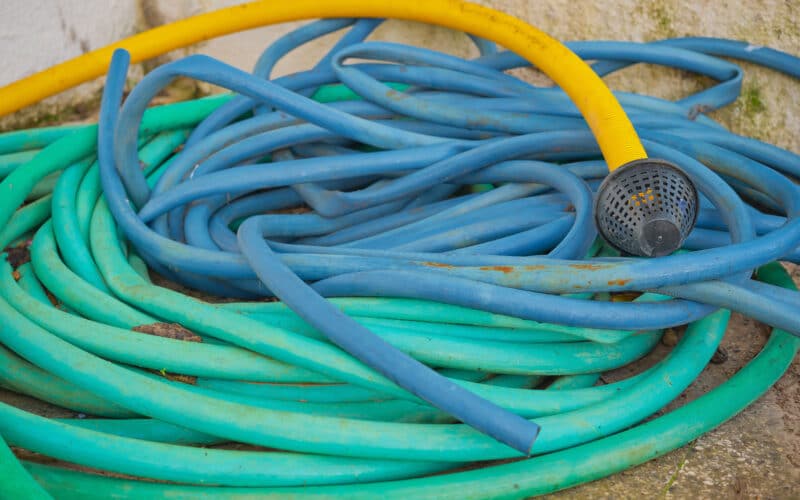
Drip tubing comes in a handful of sizes with unhelpful names, and picking wrong is how you end up with…
Read the guide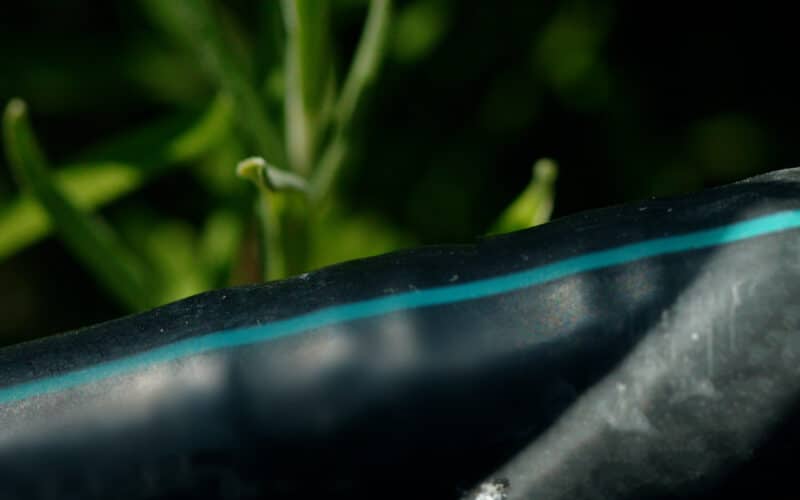
Emitters are where drip irrigation actually happens. Everything else in the system, the tubing, the filter, the regulator, exists to…
Read the guide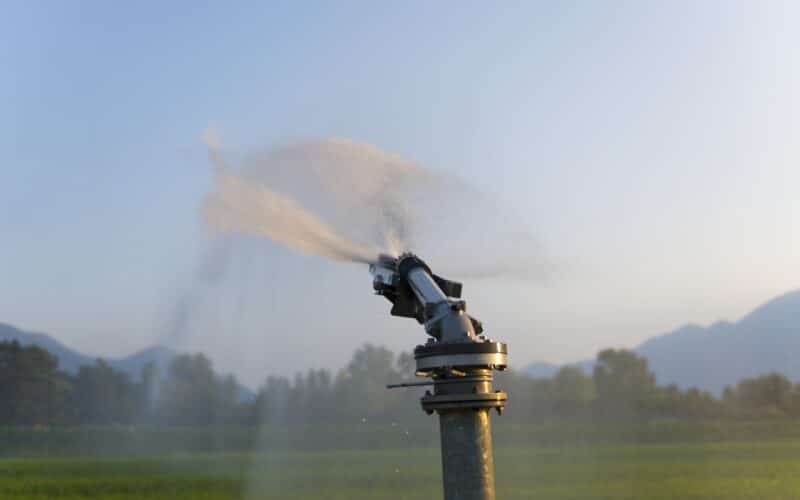
The timer is what turns a pile of tubing into an irrigation system. Programming it well takes ten minutes, and…
Read the guide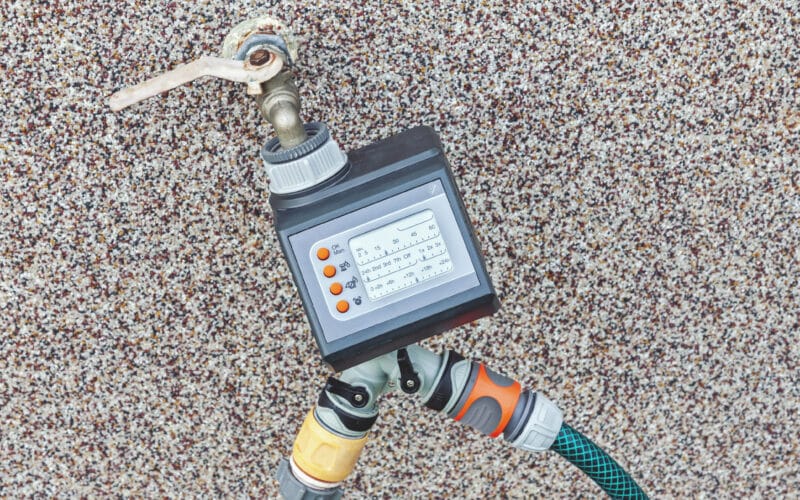
A soaker hose without a timer is a commitment. A soaker hose with a timer is a system. The good…
Read the guide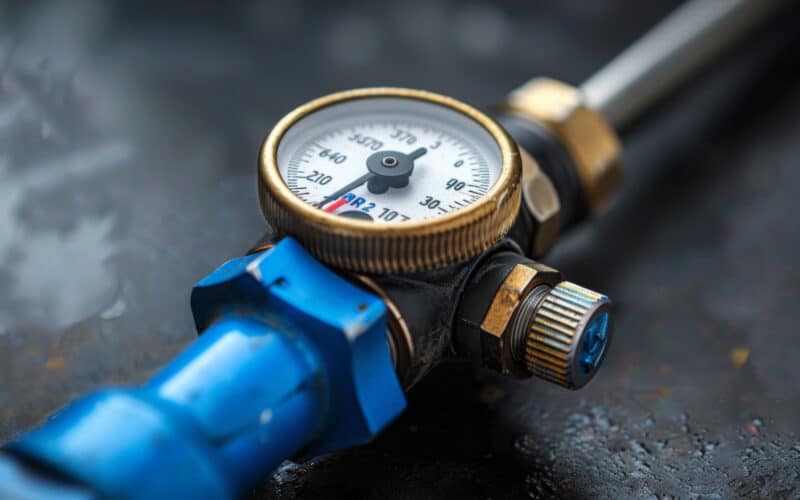
Short answer: probably yes. Soaker hoses are built to weep gently at low pressure, and most outdoor spigots deliver two…
Read the guide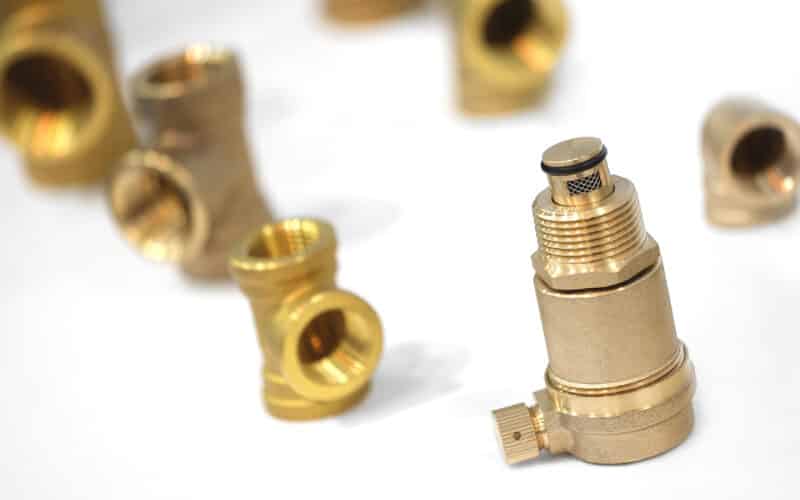
A pressure regulator is a $10 piece of plastic that decides whether your drip system lasts ten years or ten…
Read the guide