

Short answer: probably yes. Soaker hoses are built to weep gently at low pressure, and most outdoor spigots deliver two to four times more than they can handle. But “probably” isn’t “always,” so here’s how to know for sure in about two minutes.
Why pressure matters for a soaker hose
A soaker hose is a porous tube, usually recycled rubber or polyurethane, riddled with tiny pores. Manufacturers design and rate them for 10 to 25 PSI depending on the model. At that pressure, water seeps out evenly along the whole length.
Your spigot, fed by city water or a well pump, typically delivers 40 to 80 PSI. Connect a soaker hose directly and three things can happen:
- It sprays instead of weeps. Water jets out of the pores in little fountains, lands in a few spots, and the rest of the line stays dry.
- It bursts. Sometimes dramatically on day one, sometimes as a slow split mid-season when summer heat softens the material.
- It waters unevenly. The end near the spigot floods, the far end barely dampens, and your plants file a complaint by wilting in a pattern.
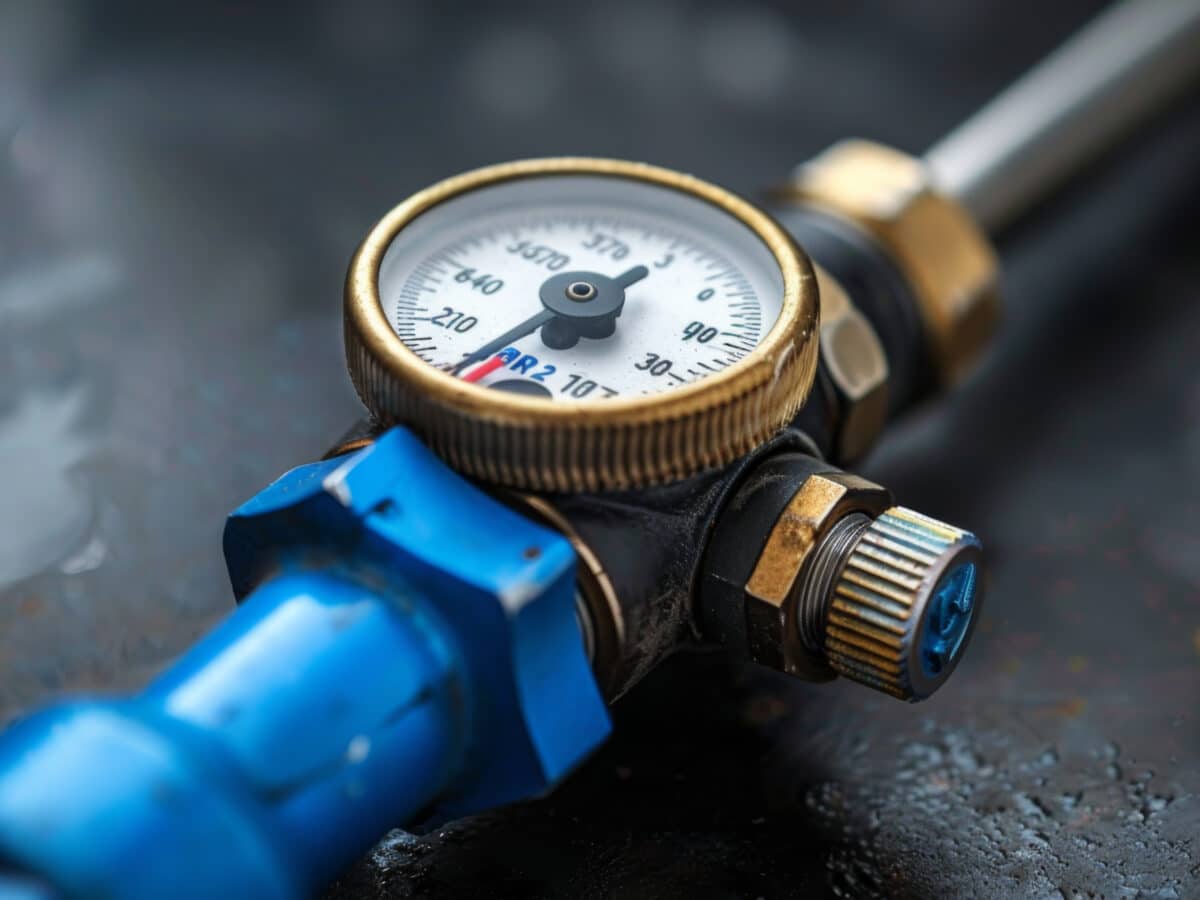
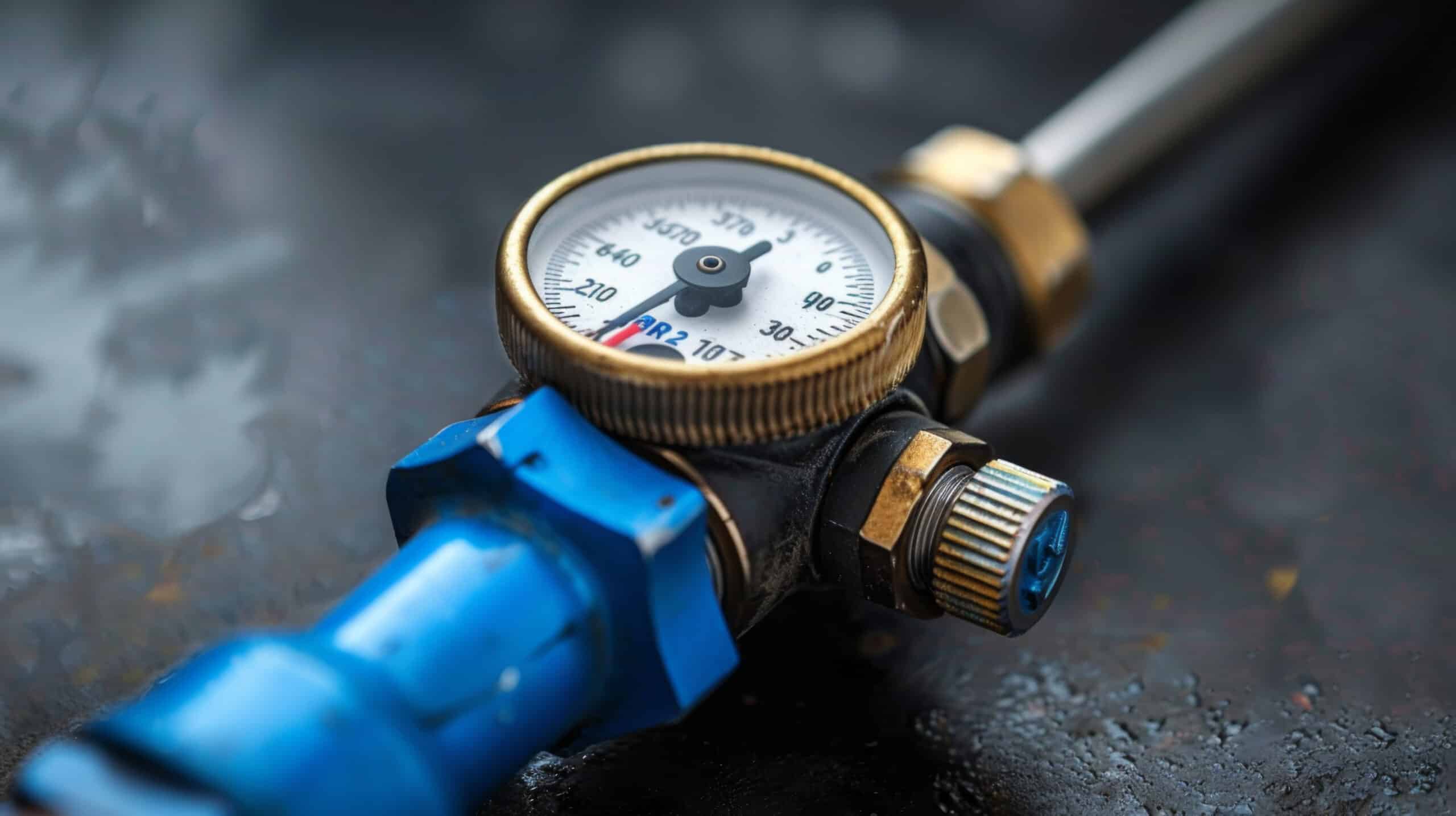
A regulator, a $10 fitting that screws on between the spigot and the hose, caps the downstream pressure at a fixed value no matter how hard you open the tap.
The two-minute test
You don’t need a gauge to make the decision, though a $15 hose-bib gauge makes it exact. The simple version:
- Connect the soaker hose and open the spigot about a quarter turn.
- Walk the line. You want to see the hose sweating: beads of water forming along its surface, soil darkening underneath.
- If you see sprays, jets, or the hose swelling like it’s flexing, the pressure is too high even at partial flow. Buy the regulator.
With a gauge: screw it on the bib, open fully. Above 25 to 30 PSI, regulate. That’s most homes.
Which regulator to buy
For soaker hoses specifically, look for a 10 to 25 PSI preset hose-thread regulator. Two practical notes:
- Match the hose rating. Many soaker hose packages print “max 25 PSI” or similar. If yours says 10 PSI, buy the 10 PSI regulator.
- Hose thread, not pipe thread. The cheap plastic ones with 3/4-inch garden hose threads are exactly right. Brass household pressure reducers are the wrong tool and cost ten times more.
If you run both soaker hoses and drip emitters off different zones, note that standard drip components want 25 PSI. The broader comparison is in pressure regulator for drip irrigation.
Where it goes
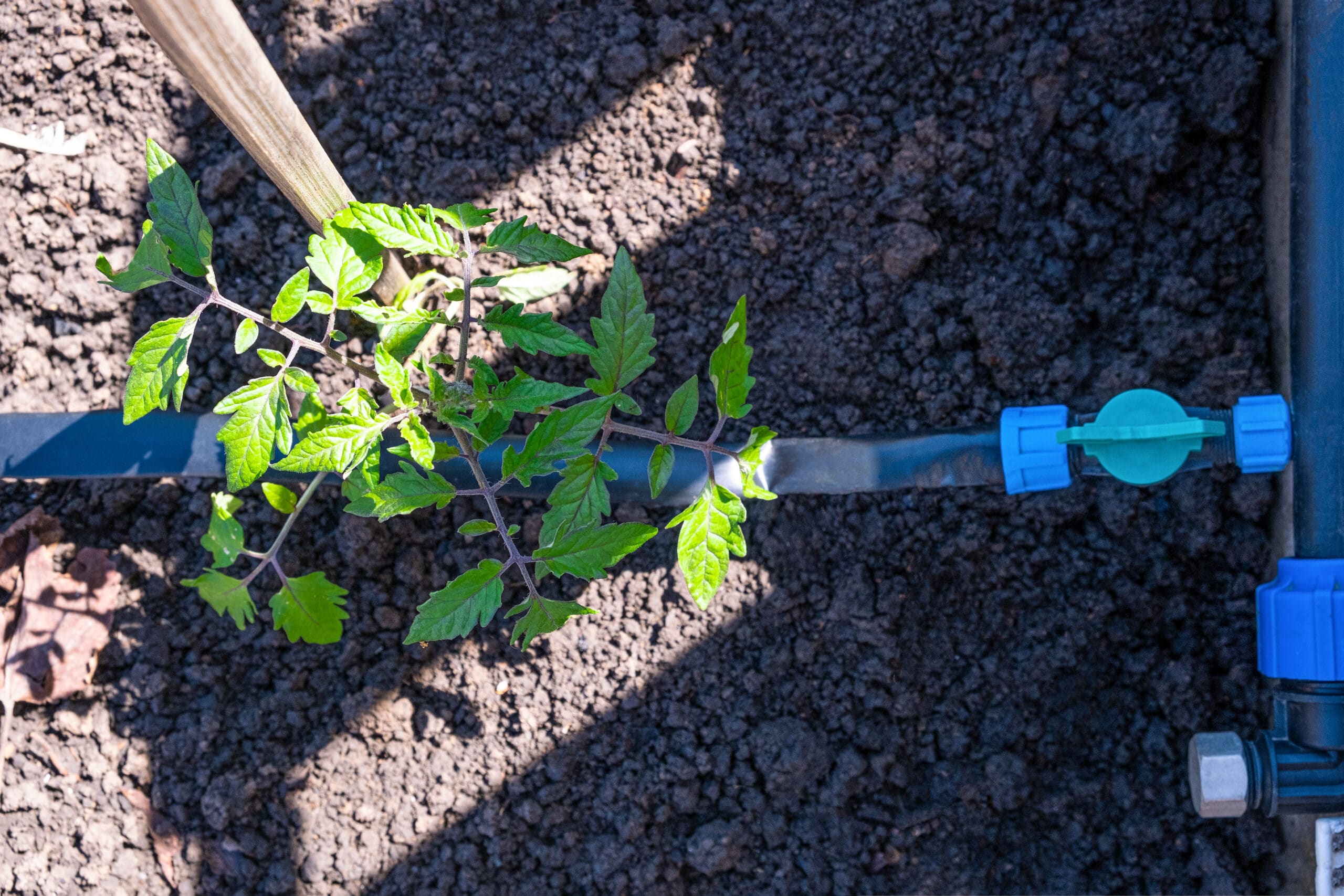
Screw-on order at the spigot, same as any drip setup:
- Timer (if you use one; see best soaker hose timer)
- Backflow preventer
- Pressure regulator
- Then a short leader of regular garden hose to reach the bed, then the soaker hose
One detail people miss: the run of ordinary garden hose between the spigot and the soaker section doesn’t leak, so use it for the journey across paths and lawn, and save the soaker hose for the beds that actually need water.
When you can skip the regulator
Three honest exceptions:
- Rain barrels and gravity feeds. These deliver 2 to 10 PSI on their own. A regulator adds nothing.
- A genuinely weak spigot. Some long plumbing runs or old galvanized pipes deliver low pressure. If the two-minute test shows gentle weeping at full open, you’re fine.
- Very short soaker runs on a partially closed valve. You can throttle pressure with the spigot itself. It works, but it’s imprecise, and someone will eventually open the tap all the way out of habit. The regulator is the idiot-proof version of the same idea.
FAQ
What PSI should a soaker hose run at?
Check the packaging, but 10 to 25 PSI covers nearly all consumer soaker hoses. When in doubt, 25 PSI is the safe common choice.
Why is my soaker hose only watering the first 20 feet?
Usually one of three causes: pressure too low to push water to the end, a run longer than the hose’s limit (keep soaker runs under 100 feet), or a kink. Test with the spigot fully open first; if it sprays near the start and dribbles at the end, add a regulator and shorten the run.
Can I use a drip irrigation regulator on a soaker hose?
Yes, as long as the rating is 25 PSI or below and the threads match. They’re the same device.
My hose burst even at low pressure. Why?
Age and sun. UV degrades soaker hoses over two to five seasons. Mulch over the hose dramatically extends its life, and draining it before winter prevents freeze cracks.
Ten dollars of regulator saves a $30 hose and a bed of plants from the flood-then-drought cycle. Fit it once and forget it. For setup of the rest of the line, see what is a soaker hose, and browse Components & Parts for the other small fittings that make the system behave.