

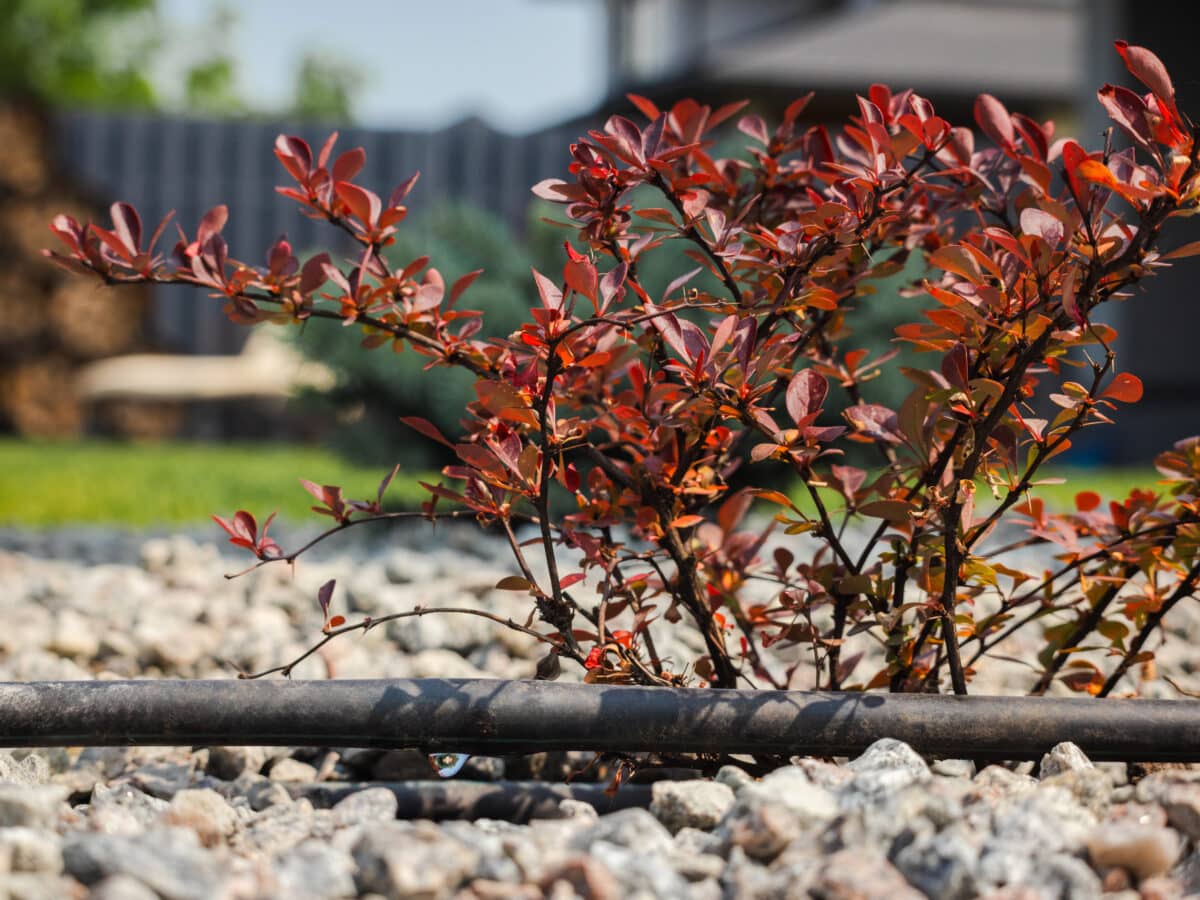
A soaker hose is a garden hose that leaks on purpose. Instead of delivering water to the end, it weeps moisture along its entire length through thousands of tiny pores, straight into the soil at your plants’ roots. That one trick makes it the cheapest efficient irrigation tool you can buy.
How it works
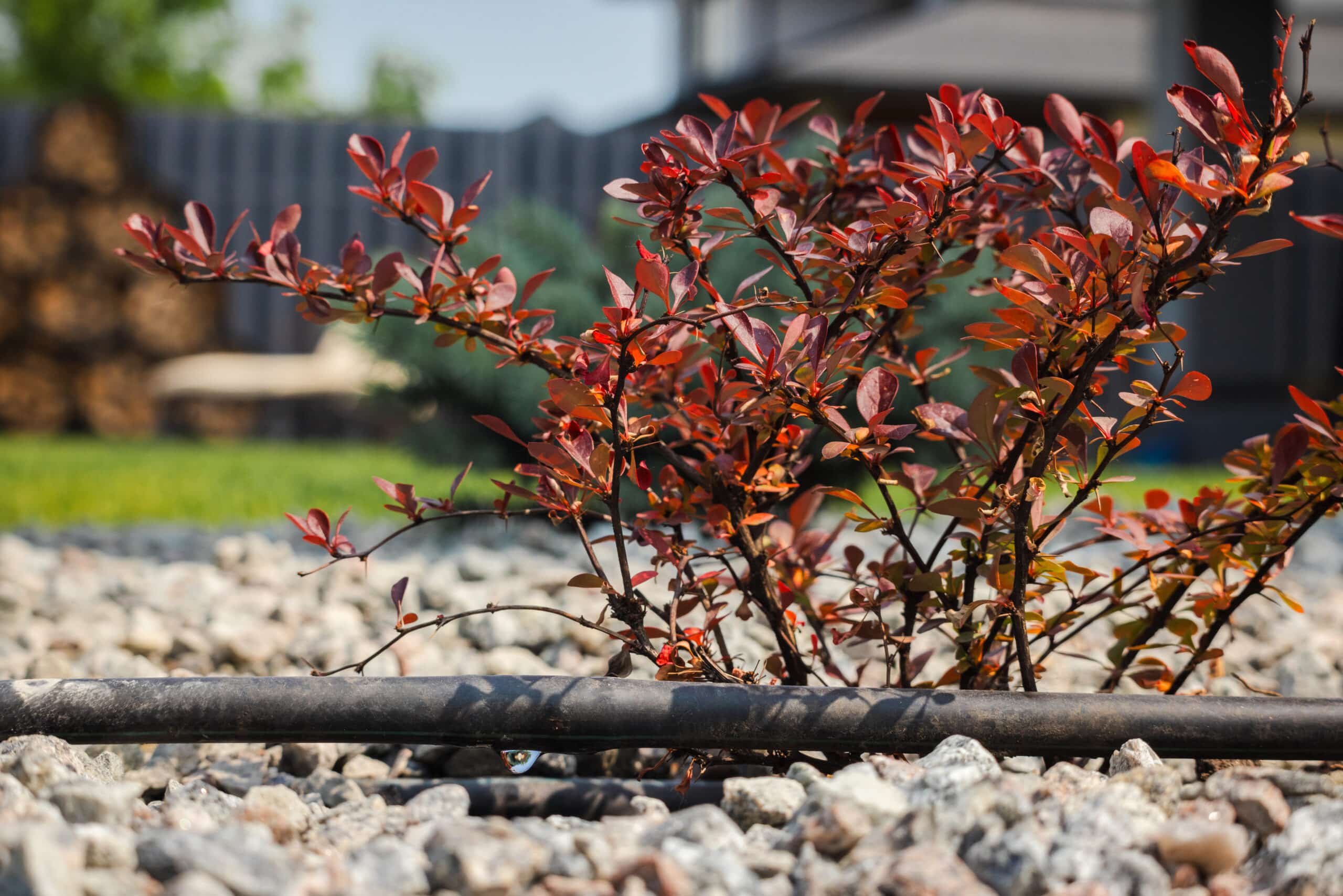
Most soaker hoses are made from recycled rubber or porous polyurethane. Under low water pressure, 10 to 25 PSI, the pores open just enough to let water seep out as slow beads. Nothing sprays, nothing mists. The water lands exactly where the hose lies and soaks straight down.
Typical output is roughly half a gallon to one gallon per foot of hose per hour at proper pressure. A 50-foot hose therefore delivers 25 to 50 gallons over an hour, spread evenly along whatever it touches. That slow rate is the point: soil absorbs it as fast as it arrives, so almost nothing runs off or evaporates. Compared with a sprinkler, a soaker hose puts around 70 percent more of its water into the root zone.
What it’s good at
Soaker hoses shine in situations where plants grow in lines or clusters at ground level:
- Hedge rows — one hose down the row waters every shrub. See soaker hose for arborvitae.
- Flower and shrub beds — snaked between plants, an inch under mulch, they disappear and just work.
- Vegetable rows — laid along a row of beans or tomatoes.
- Trees — coiled in a spiral to the drip line, as in soaker hose for trees.
- Foundation watering — run around the house perimeter in clay-soil country. Details in foundation watering with a soaker hose.
Because water never touches the foliage, soaker hoses also cut down on the fungal diseases that overhead watering encourages, powdery mildew, black spot, leaf spot. Roses and hydrangeas especially thank you.
What it’s bad at
Honesty section, because soaker hoses get oversold:
- Long runs. Past about 100 feet, the far end starves. Water pressure bleeds off along the porous length.
- Slopes. On a hill, the downhill end floods while the top dries. Gravity doesn’t care about your layout.
- Precision. A soaker hose waters a band, not a point. Widely spaced individual plants are better served by drip emitters.
- Durability. Sun and hard pressure kill them in two to five seasons. Mulch extends their life considerably.
Soaker hose vs drip irrigation, briefly
Drip irrigation delivers water through engineered emitters at exact points, holds pressure evenly over long distances, and lasts a decade or more. Soaker hoses are cheaper, faster to lay out, and more forgiving of rough handling, but less precise and shorter-lived. The full head-to-head is in soaker hose vs drip irrigation.
The short version: small beds and hedges under 100 feet, soaker hose. Anything bigger, sloped, or permanent, drip.
Using one correctly
Five habits make the difference between a soaker hose that transforms your watering and one that disappoints:
- Regulate the pressure. Full spigot pressure bursts them or turns the weep into a spray. A $10 regulator caps it at 10 to 25 PSI. See soaker hose pressure regulator.
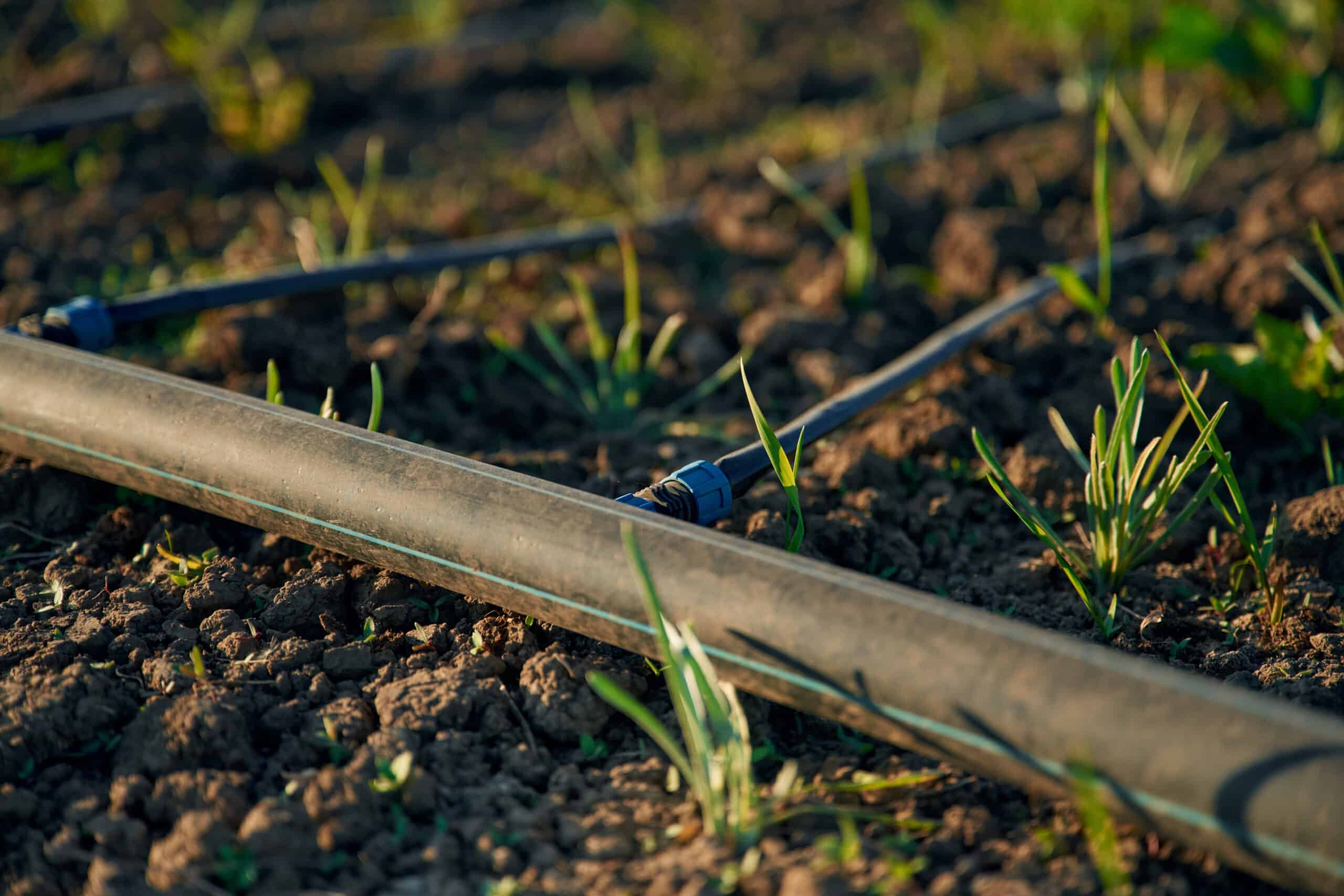
- Use leader hose for dry zones. Regular garden hose doesn’t leak. Run it across paths and lawn, and connect the soaker hose only where you want water.
- Keep runs short. Under 100 feet per line, ideally under 75.
- Mulch over it. Two inches of mulch hides the hose, halves evaporation, and blocks UV damage.
- Run it long and rare. Thirty to sixty minutes per session, two or three times a week, beats a daily trickle. Deep roots, tough plants.
FAQ
How much water does a soaker hose use per hour?
Roughly 0.5 to 1 gallon per foot per hour at recommended pressure. A 50-footer uses about 25 to 50 gallons an hour, most of which reaches roots, versus a sprinkler that loses a third or more to evaporation and overspray.
Can I bury a soaker hose?
An inch or two under soil or mulch, yes. Deeper than that and water may never reach shallow roots, and you can’t see whether it’s working. In vegetable beds, many gardeners bury them 2 inches for the season.
How long do soaker hoses last?
Two to five years, depending on sun exposure and pressure discipline. Under mulch with a regulator, the long end of that range is normal.
Do soaker hoses work with rain barrels?
They can, since they need little pressure, but expect slower weeping and uneven output on long runs. Keep the hose short and the barrel elevated a few feet for best results.
That’s the soaker hose: simple, cheap, and genuinely efficient when you respect its limits. The rest of the series, from timers to plant-by-plant schedules, lives in Soaker Hoses.