

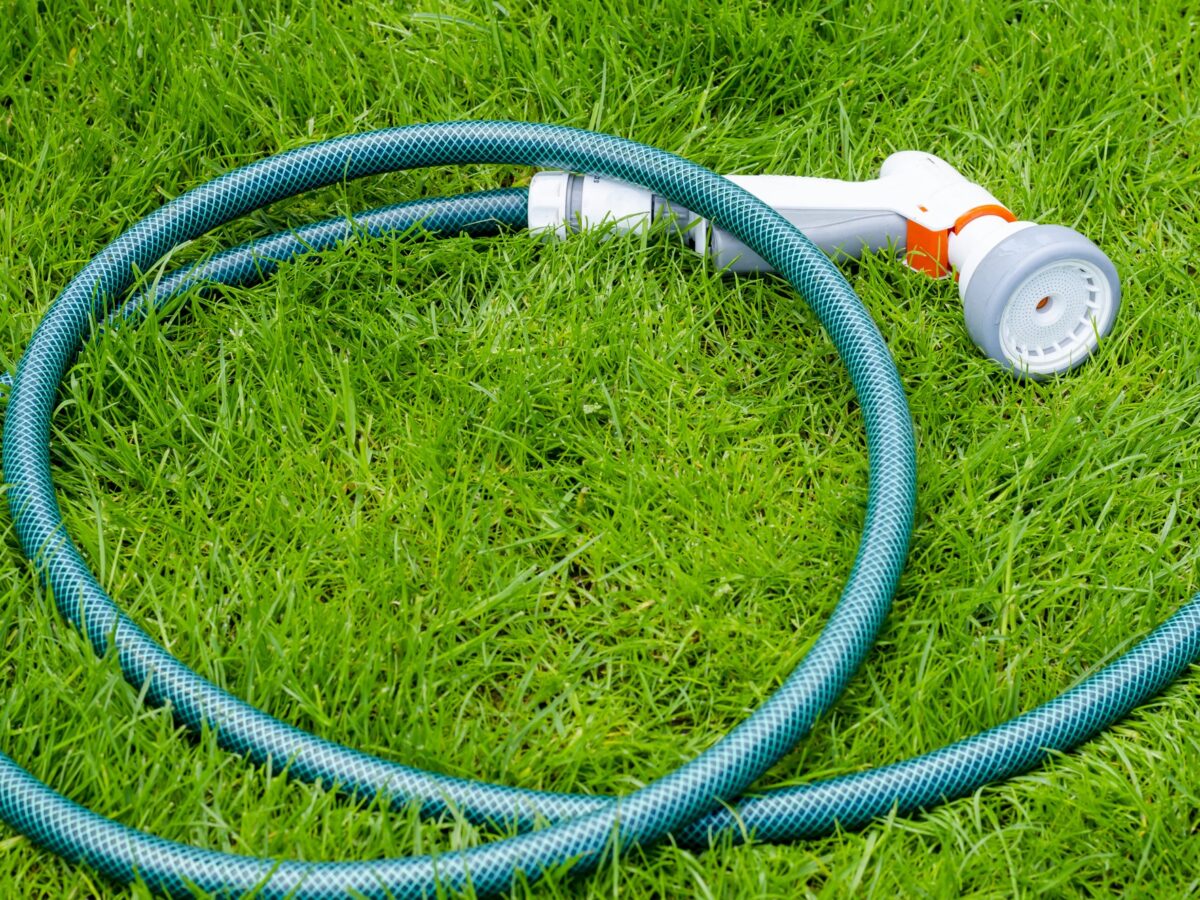
Soaker hoses have a reputation as a vegetable-bed tool, something you snake between tomato rows and forget about. Point one at a lawn instead and the question changes fast: does it actually work on open turf, or is this one of those ideas that sounds efficient and turns out patchy in practice? Short answer: it works, but only within limits that matter more for lawns than for garden beds. Here’s how to lay one out, how long to run it, and where it stops making sense.
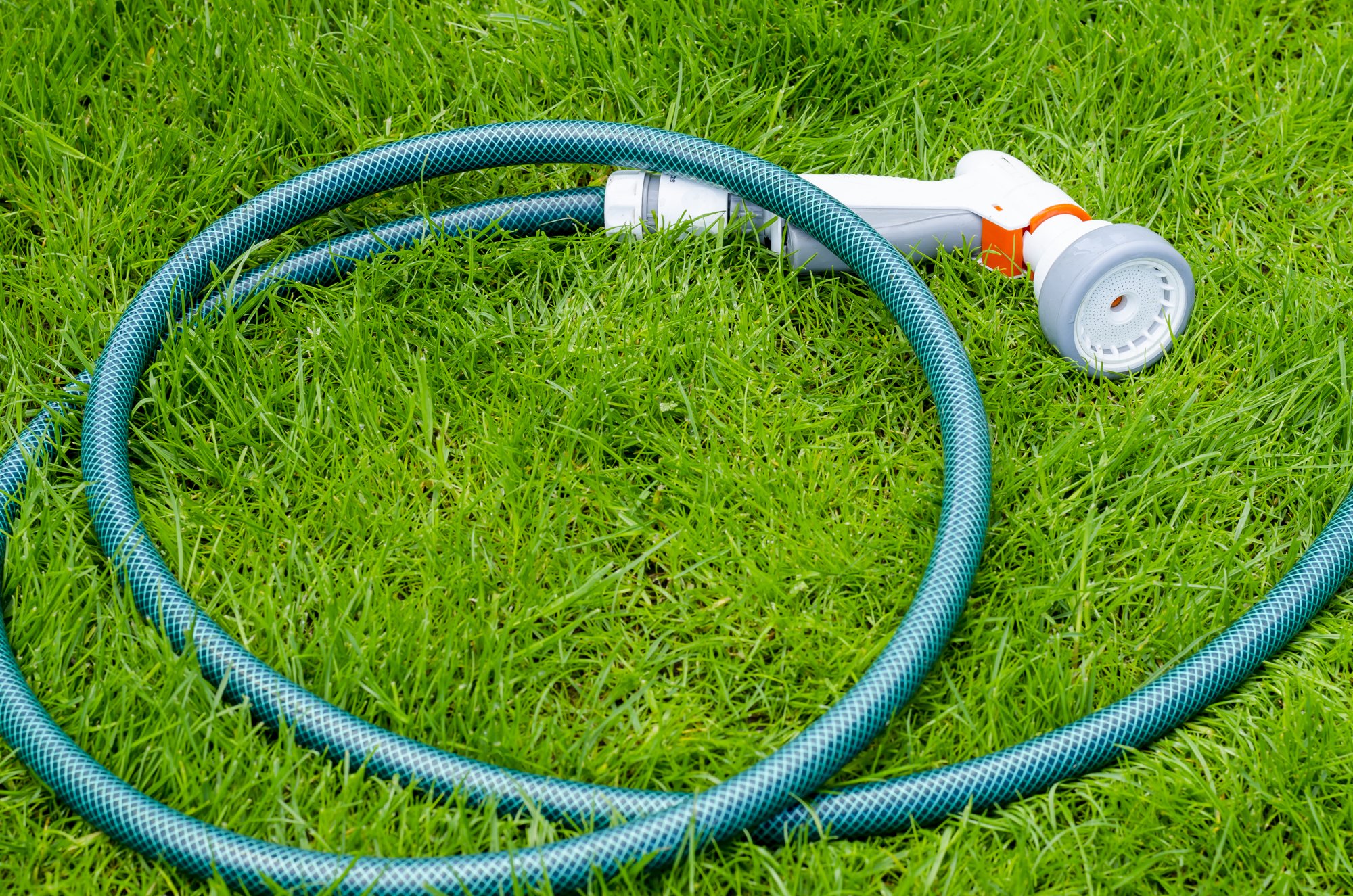
Does a soaker hose work for watering a lawn?
Yes, for small to mid-sized lawns, strips along a fence line, or patchy areas a sprinkler system misses. A soaker hose weeps water along its entire length at low pressure, which lets it soak turf deeply without runoff on slopes or compacted soil where a sprinkler would just puddle and drain into the street. The catch is coverage width: a soaker hose only wets a band roughly 12 to 18 inches on either side of the hose, so an open lawn needs the hose looped back and forth across the whole area to avoid stripes of green next to stripes of dry, stressed grass.
That’s the real limit. For a small side yard or a patchy 200-square-foot section, looping a soaker hose across it is a practical, low-cost fix. For a quarter-acre front lawn, you’d need hundreds of feet of hose repositioned constantly, and at that point a proper sprinkler zone or drip layout does the job with far less labor. If you’re trying to decide between the two approaches for a whole yard, soaker hose vs drip irrigation breaks down the tradeoff in more depth, and lawn drip irrigation covers the drip-specific version of this same question.
Laying out a soaker hose across turf
The goal is even coverage without leaving gaps. Since each hose only wets a strip about 2 to 3 feet wide, the loops need to sit close enough together to overlap slightly at the edges.
- Snake it in an S-pattern across the lawn area, with each pass roughly 18 to 24 inches from the one next to it.
- Pin it down every few feet with garden staples so wind and mowing don’t drag it out of position, especially on a slope.
- Start near the spigot and work outward, since pressure and output both drop toward the far end of a long hose.
- Keep runs under about 100 feet per hose. Past that, the far end waters noticeably less than the near end no matter how long you run it; split a bigger area into two shorter hoses fed from a Y-connector instead.
For the connectors and fittings that make splitting a lawn into multiple hose runs manageable, soaker hose fittings and connectors covers the parts that link, branch, and cap a setup like this.
How long to run a soaker hose on a lawn
Lawns generally want about an inch of water a week, split across one or two sessions rather than daily light watering, which trains grass roots to grow shallow. On a soaker hose at correct pressure, that translates to longer sessions than a garden bed would need, since turf is denser and grass roots compete for the same water an emitter-fed vegetable plant would get to itself.
| Soil type | Run time per session | Frequency |
|---|---|---|
| Sandy soil | 30-40 min | 2-3x per week |
| Loam (average garden soil) | 45-60 min | 1-2x per week |
| Clay soil | 60-75 min, split into two shorter sessions | 1x per week |
These are starting points, not settled numbers for your yard specifically, since hose length, water pressure, and grass type all shift the real figure. For the pressure-and-soil math behind these ranges, how long to run a soaker hose walks through the fuller version by plant, soil, and season.
Get the pressure right first
A soaker hose is built to run at roughly 10 to 25 PSI. Most outdoor spigots deliver two to three times that, and feeding a soaker hose full house pressure doesn’t make it water faster, it just makes it spray unevenly near the spigot end while starving the far end. If you’re not running a pressure regulator already, that’s the first fix before touching run times at all, since every number in the chart above assumes the hose is actually weeping instead of misting.
Soaker hose vs. sprinkler for a lawn
A sprinkler covers open ground faster and doesn’t need repositioning, which is why it’s still the default for most full lawns. A soaker hose wins on water efficiency: almost nothing evaporates or drifts, since the water goes straight into the soil at the root zone instead of through the air on a windy afternoon. It also handles slopes and compacted clay better, where sprinkler runoff is a common problem. The honest tradeoff is labor. A sprinkler zone runs itself once it’s plumbed in; a soaker hose across an open lawn needs occasional repositioning as the yard changes, and it’s awkward to mow around until you’ve got a routine down for pulling it up and putting it back before you cut the grass.
When a soaker hose isn’t the right call for a lawn
Skip it, or use it only as a supplement, in these cases:
- Large open lawns. Past a few hundred square feet, the hose length and repositioning effort stop being worth the water savings. A sprinkler zone or a dedicated lawn irrigation system covers ground faster with less ongoing labor.
- Establishing new grass from seed. Seed needs frequent, shallow, even moisture across the whole surface, which a soaker hose’s narrow band can’t deliver consistently. A sprinkler or overhead system is the better tool here.
- New sod. Sod has its own tight watering window while roots knit into the soil beneath it, and it needs even coverage a soaker hose’s strip pattern struggles to match. See how long to water new sod for that schedule specifically.
Where it earns its keep is the smaller, awkward turf areas: a strip along a fence, a patch a sprinkler head can’t reach, or a slope where runoff has already been a problem.
Common mistakes
A few things account for most of the “it didn’t work for my lawn” complaints:
- Spacing the loops too far apart. Gaps wider than about 2 feet between passes leave visible dry stripes once the grass is stressed.
- Skipping the pressure regulator. Full spigot pressure through a soaker hose sprays instead of weeping, and undermines every run time in the chart above.
- Not pinning it down. An unsecured hose drifts out of its loop pattern within a week or two, usually dragged by mowing or wind.
- Running it daily instead of deeply. Frequent shallow sessions grow shallow roots that struggle in a heat wave. Fewer, longer sessions build a deeper root system that tolerates dry stretches better.
FAQ
Is a soaker hose good for watering a lawn?
For a small lawn, a patchy section, or a slope where a sprinkler runs off, yes. For a large open lawn, the coverage width and repositioning effort usually make a sprinkler zone or dedicated irrigation system a better fit.
How far apart should soaker hose loops be on a lawn?
About 18 to 24 inches between passes, since each hose only wets a band roughly 12 to 18 inches wide on either side. Wider spacing tends to leave visible dry stripes once the grass is under any stress.
Can I leave a soaker hose on my lawn permanently?
You can for a season, but mowing around it gets awkward fast, and a hose left in one spot for months can leave a slightly greener strip once you finally move it. Many people pull it up after each watering and re-lay it, or reserve soaker hoses for the areas a mower doesn’t reach anyway.
Does a soaker hose use less water than a sprinkler for a lawn?
Generally yes, since it puts water directly into the soil with almost no evaporation or wind drift, both of which take a real bite out of sprinkler efficiency on a hot or breezy day. The tradeoff is coverage speed and the labor of repositioning it across a larger area.
Start with the pressure regulator, loop the hose 18 to 24 inches apart, and use the chart above as a starting point rather than a fixed rule. If the lawn is small enough that a soaker hose can actually cover it without constant repositioning, it’s one of the cheapest ways to cut down on water waste out there. If you’re still deciding whether soaker hose or drip is the better fit for your whole yard, soaker hose vs drip irrigation is the place to compare them side by side, and how to install a soaker hose covers the setup basics if you haven’t laid one out before. More schedule guides live in Watering Schedules.