

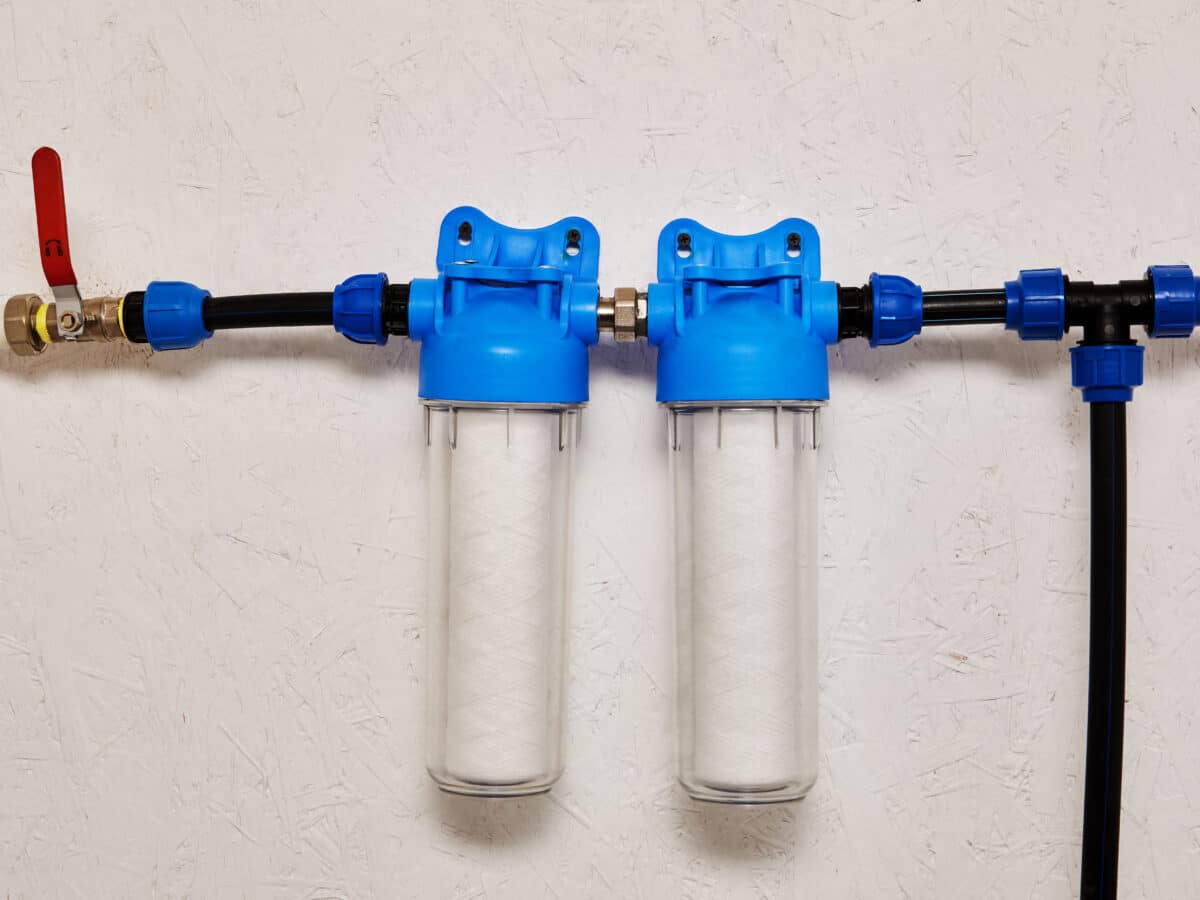
Short answer: yes. Skip the filter and the first thing to fail is usually the cheapest part of the system, the emitters, one at a time, over months, until half the bed is quietly under-watered and you can’t figure out why.
What a filter actually prevents
Even clear tap water carries sediment, mineral grit, and occasionally flakes of scale from old pipes, all invisible to the eye but large enough to catch inside a 0.5 to 1 GPH emitter’s tiny opening. Well water is usually worse: sand and organic particles that municipal treatment would have caught before it ever reached your spigot. The repair guide covers what a clogged emitter looks like once it happens. A filter is how you mostly avoid getting there.
Mesh size, explained
| Mesh size | Filters down to | Best for |
|---|---|---|
| 80 mesh | About 175 microns | Coarse debris only, the minimum for any drip system |
| 150 mesh | About 100 microns | Standard for most home drip systems, the size most emitters are actually rated for |
| 200 mesh | About 74 microns | Well water, sandy water, or systems using a lot of 0.5 GPH or smaller emitters |
Disc, screen, and Y-filters
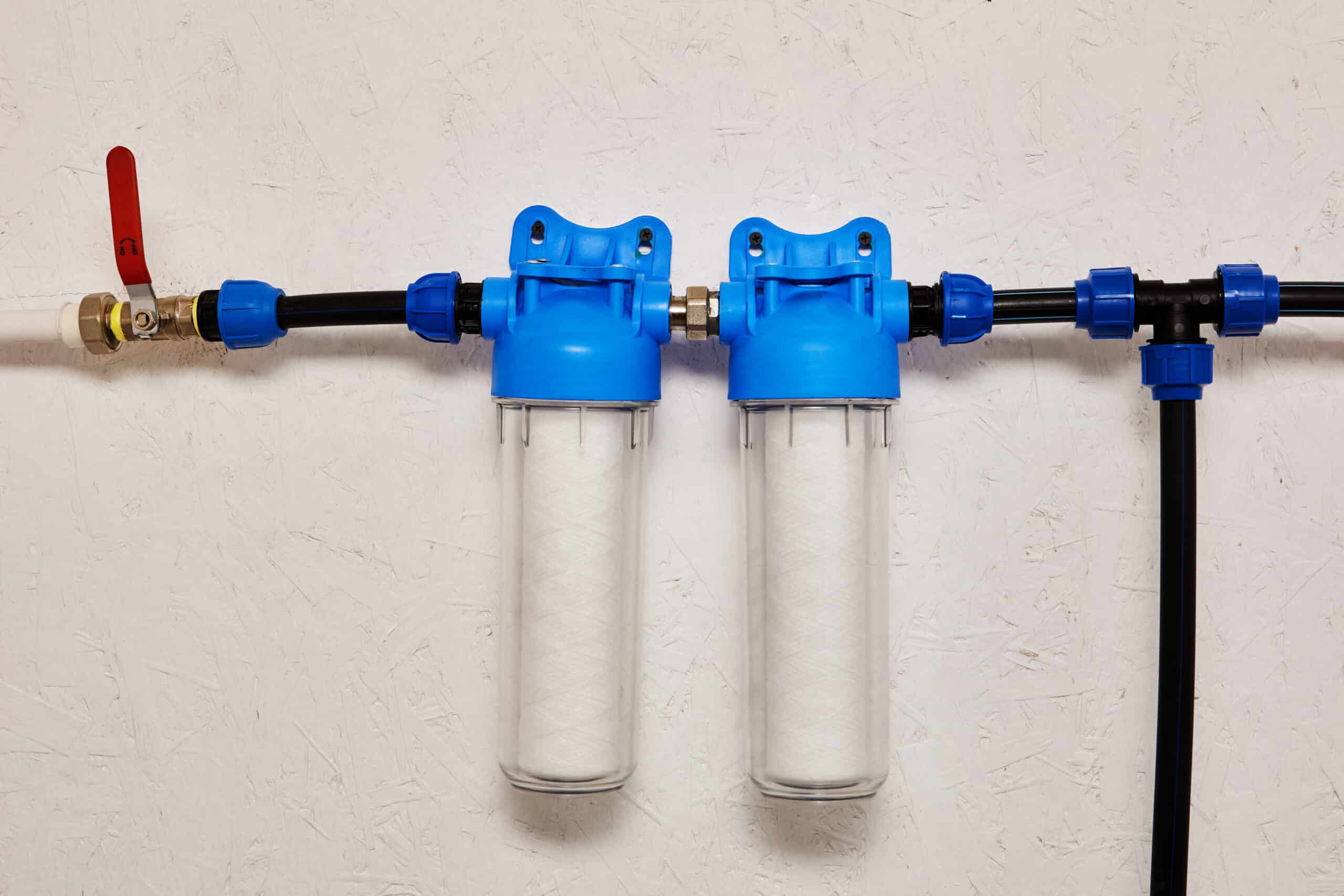
Screen filters, a basic mesh cylinder, are the cheapest option and fine for municipal water and small systems. Disc filters stack grooved rings and handle sandier well water better, worth the extra cost if you’re not on city water. Y-filters thread inline at an angle and are mostly a plumbing convenience rather than a genuinely different filtration technology underneath.
Where it goes and how to maintain it
The filter goes right after the backflow preventer and before the pressure regulator, essentially the first real part in line after the spigot connection. Rinse the screen every 2 to 4 weeks during the growing season, more often on well water. The full seasonal rhythm, including when to do a deeper clean, is in drip irrigation system maintenance: seasonal checklist.
Frequently asked questions
I’m on well water. Do I need a stronger filter?
Yes. A 150 to 200 mesh disc filter is worth the extra cost over a basic screen filter if you’re not on treated municipal water.
I already have a whole-house filter. Can I skip the drip filter?
No. Whole-house filters are usually coarser than what drip emitters need. Keep the drip-specific filter in line even with a whole-house system installed.
How do I know the filter needs cleaning?
Falling pressure or a weaker flow at the emitters is the tell, the same sign covered in the seasonal maintenance walkthrough. When in doubt, pull the screen and hold it up to the light. If you can’t see through it, water can’t either.
For the rest of the parts a drip system needs, filter included, drip irrigation components and parts explained is the hub guide.