

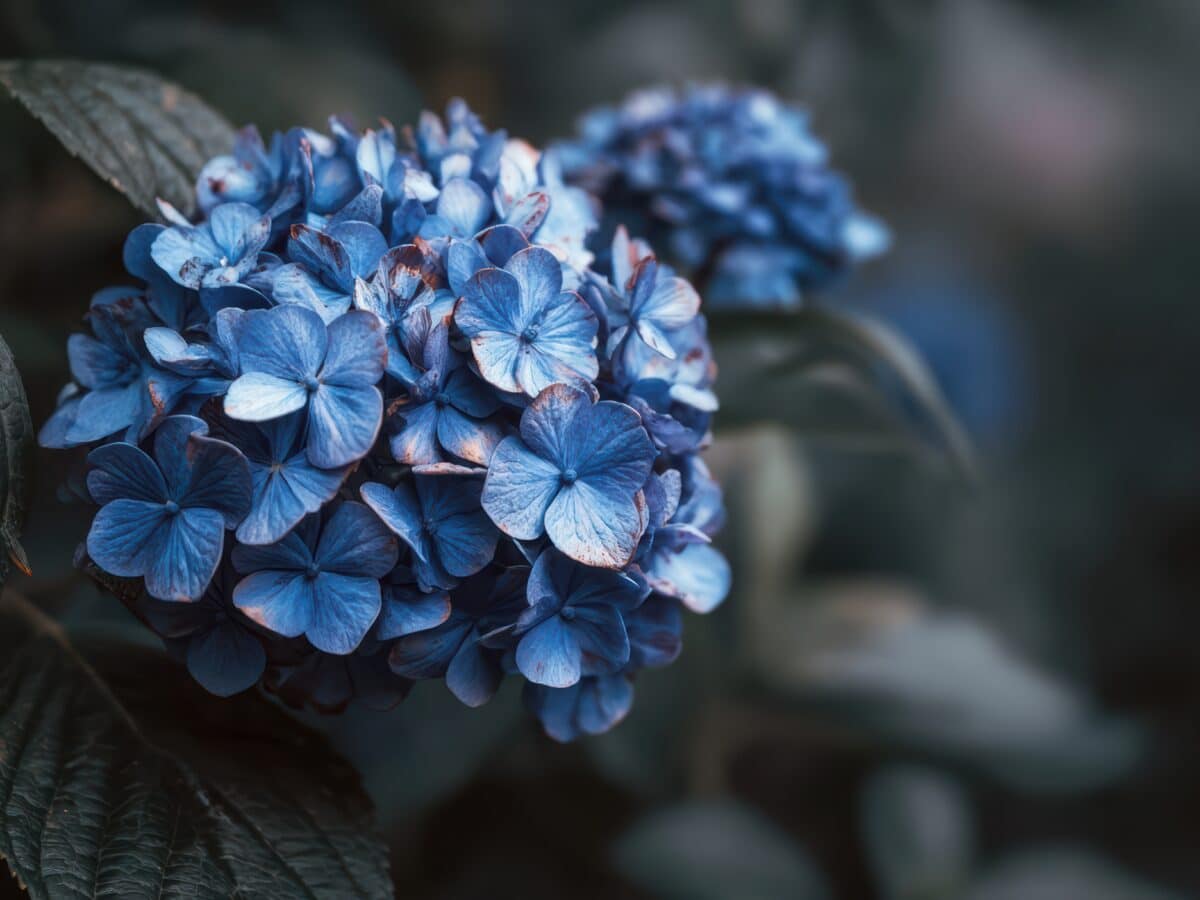
Hydrangeas have a reputation. Gorgeous flowers, dramatic wilting. One hot afternoon and your pride-and-joy looks like it gave up on life, only to perk right back up after sunset. Most of that drama comes down to water, and a soaker hose is the simplest fix I’ve found.
This guide covers exactly how to use a soaker hose for hydrangeas: where to put it, how long to run it, and the mistakes that quietly kill blooms.
Why hydrangeas are so fussy about water
Hydrangeas have shallow, fibrous roots that sit in the top 6 to 12 inches of soil. Pair that with big, thin leaves that lose moisture fast, and you get a plant that drinks a lot but hates sitting in soggy ground. Too little water and they wilt. Too much, and the roots rot or the plant puts out leaves instead of flowers.
The name is a hint: hydrangea comes from the Greek for “water vessel.” These plants want consistent moisture, not a daily sprinkle and not a weekly flood.
Why a soaker hose works so well here
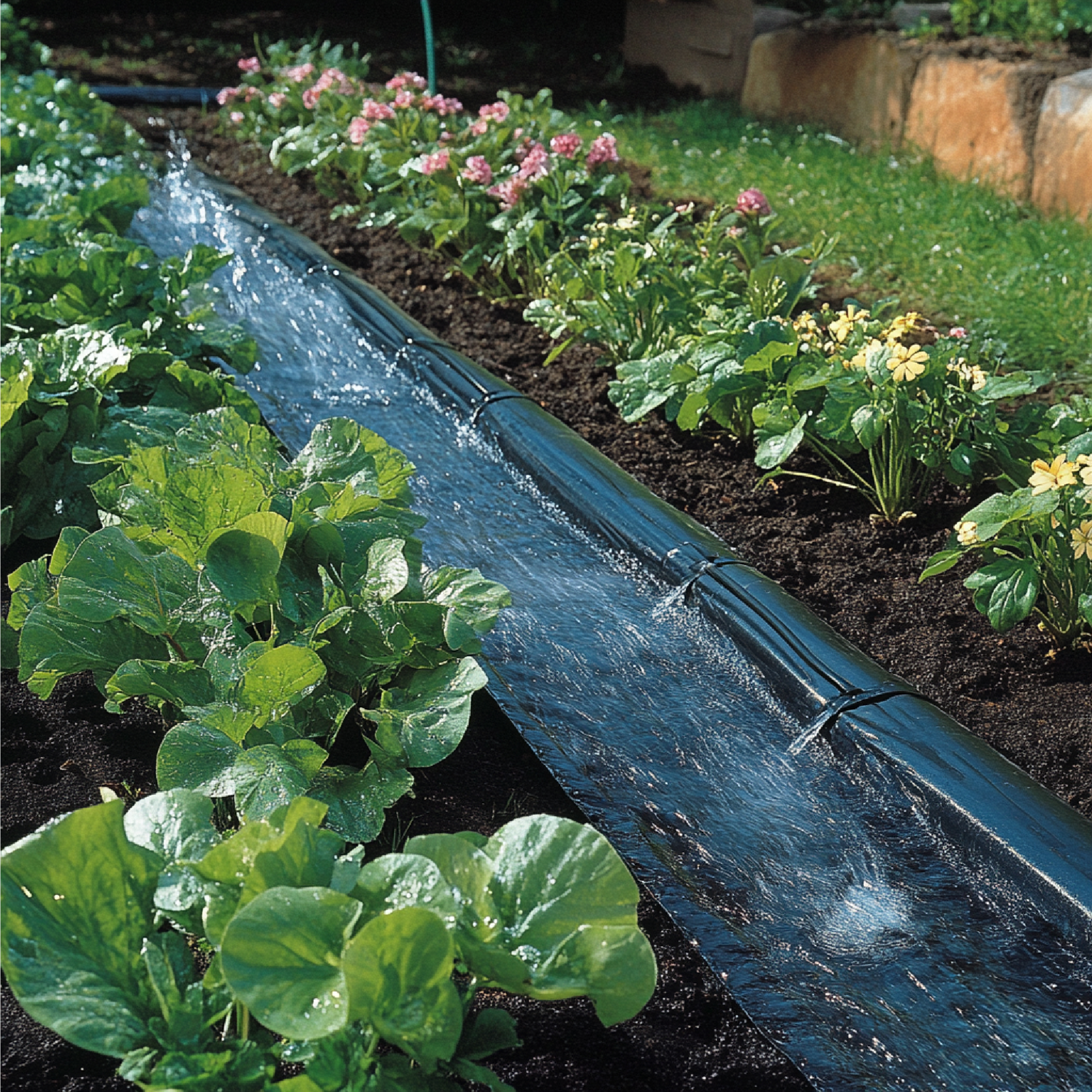
A soaker hose weeps water slowly along its whole length, straight into the root zone. That solves three hydrangea problems at once:
- No wet leaves. Overhead watering leaves foliage damp for hours, which invites powdery mildew and leaf spot, two diseases hydrangeas catch easily.
- Deep, even soaking. Slow water sinks in instead of running off, so roots grow deeper and the plant handles heat better.
- Zero daily effort. Turn it on, walk away. Add a timer and you don’t even turn it on.
If you’re weighing a soaker hose against drip emitters for a bigger shrub border, I compared both in soaker hose vs drip irrigation. For a simple row of hydrangeas, the soaker hose wins on cost and setup time.
How to set it up
Setup takes about ten minutes:
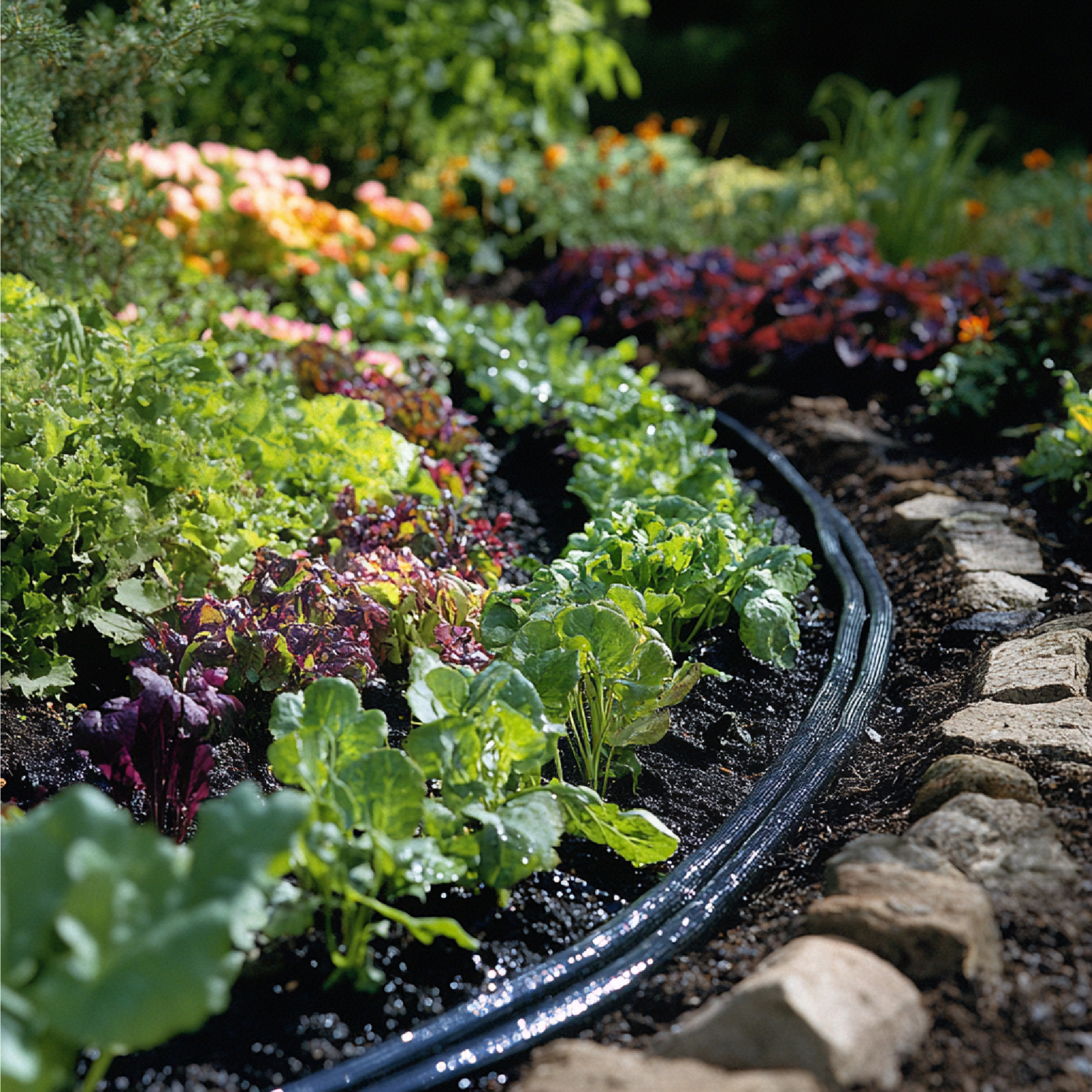
- Lay the hose in a loop around each plant, roughly 6 to 12 inches out from the base of the stems. For a hedge row, snake one 50-foot hose down the line, curving around each shrub.
- Don’t bury it deep. An inch of soil or 2 to 3 inches of mulch on top is perfect. Burying deeper slows the water reaching the surface roots.
- Keep runs under 100 feet. Past that, pressure drops and the far end barely weeps.
- Add a pressure regulator if your spigot runs hot. Soaker hoses are built for low pressure, around 10 to 25 PSI. Full city pressure can burst them or make them spray instead of weep. More on that in do you need a soaker hose pressure regulator.
How long to run it
The target most extension services give for hydrangeas is about 1 inch of water per week, including rain. What that means in hose time depends on your soil:
| Soil type | Per session | Frequency |
|---|---|---|
| Sandy | 20-30 minutes | 3 times a week |
| Loam | 30-45 minutes | 2 times a week |
| Clay | 45-60 minutes | Once or twice a week |
These are starting points, not gospel. The real test: dig down 4 inches an hour after watering. The soil should feel like a wrung-out sponge, moist but not muddy. If it’s dry, run longer next time. If it’s soupy, cut back.
During heat waves above 90°F, expect to add a session. Potted hydrangeas are a different beast and may need water daily in summer.
Reading the plant
Hydrangeas tell you what’s wrong if you know the signs:
- Wilting at noon, fine by evening: normal heat response. Don’t panic-water.
- Wilting in the morning: real thirst. Water now.
- Yellow leaves, mushy stems: too much water. Cut back and check drainage.
- Brown, crispy leaf edges: chronic underwatering or fertilizer burn.
- Lots of leaves, no flowers: often too much nitrogen, or a late frost got the buds. Water isn’t usually the culprit here.
Mistakes I see all the time
Watering a little every day. Daily sprinkles keep roots shallow and lazy. Deep soaks two or three times a week build a tougher plant.
Spraying the foliage. Wet leaves in humid weather are an open invitation to fungus. Keep water at the soil line.
Skipping mulch. Two to three inches of shredded bark over the hose cuts evaporation and keeps soil temperature steady. It also hides the hose, which looks better.
Full-blast pressure. If your hose is spraying little fountains instead of weeping, the pressure is too high. A cheap regulator fixes it.
FAQ
Can you overwater hydrangeas with a soaker hose?
Yes, especially in clay soil. If the ground stays wet two days after watering, shorten your sessions. Soggy soil suffocates roots and causes root rot.
How close should the hose be to the plant?
Loop it 6 to 12 inches from the stems, around the drip line where feeder roots are densest. Right against the stems can keep the crown too wet.
What time of day should I run it?
Early morning. The water soaks in before the heat peaks, and any splashes on leaves dry fast. Evening watering leaves soil damp overnight, which slugs love, and hydrangea slugs are a whole other problem.
How many gallons does a hydrangea need per week?
A rough rule: 1 to 2 gallons per week for a young shrub, 3 to 5 for an established one in summer, adjusted for rain and soil. A soaker hose puts out roughly 0.5 to 1 gallon per foot per hour at low pressure, so a 25-foot loop for 45 minutes delivers plenty.
Get the schedule right and hydrangeas stop being drama queens. Deep, infrequent soaks at the root zone, mulch on top, water off the leaves. That’s most of the job. For timing the rest of your garden, see how long to run drip irrigation, and browse the other plant-specific guides in By Plant & Space.