

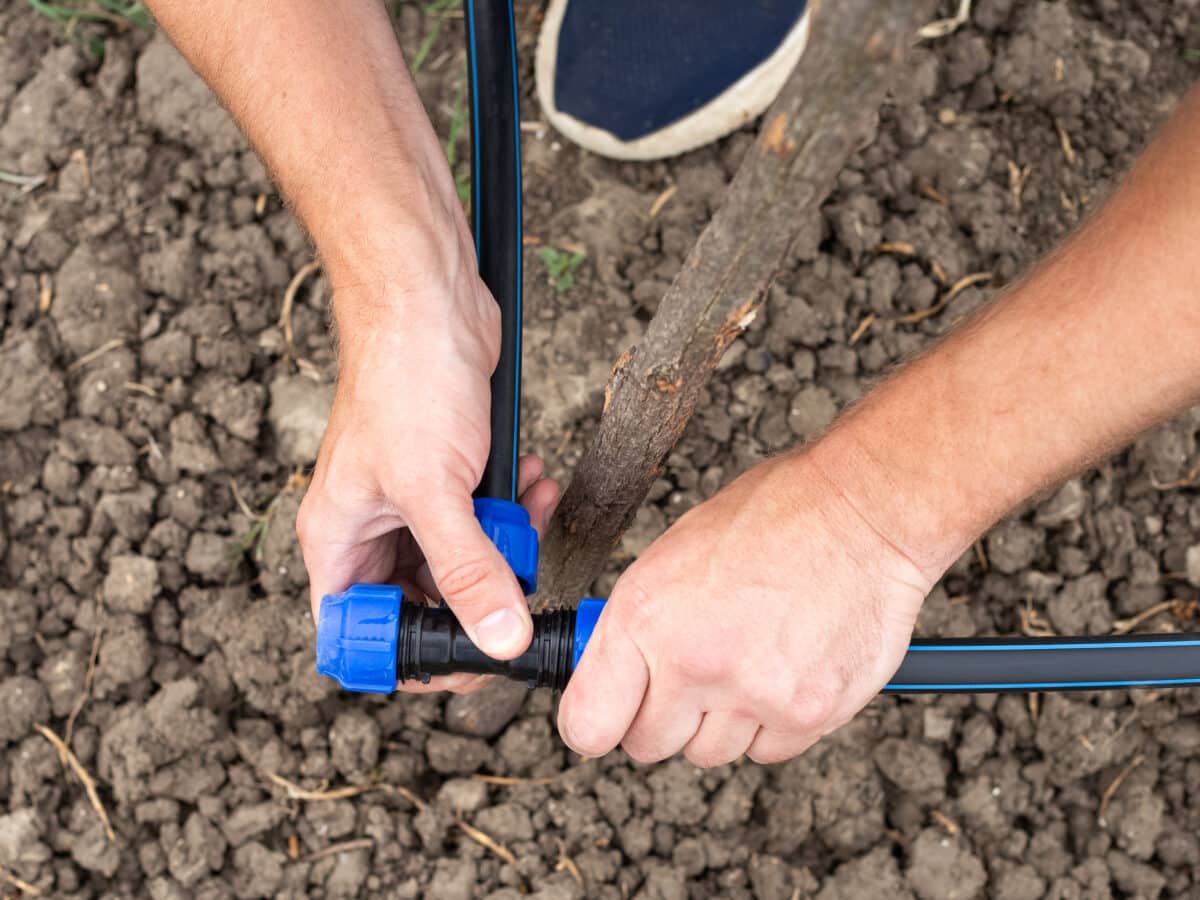
There is no single best drip irrigation system, because gardens aren’t interchangeable. The right kit for six patio pots would be a silly choice for a 500-square-foot vegetable garden. So instead of one crown, here are the picks by situation, plus the criteria that actually separate a good kit from a frustrating one.
How we chose: published specs, long-term owner feedback across retailers and gardening forums, and our own experience building systems from these part families. Where a kit has a known weakness, we say so.
What actually matters in a kit
Before the picks, the four things worth checking on any box:
- A real pressure regulator in the box. Not a vague “pressure compensating” claim on the emitters, an actual regulator. Without one, fittings pop.
- A filter. Non-negotiable if your water has any sediment. Clogged emitters are the top complaint in every negative review of every kit.
- Standard barb fittings. Proprietary connectors lock you into one brand for life. Standard 1/2-inch and 1/4-inch barbs mix and match across brands forever.
- Enough tubing. The most common kit complaint is 50 feet of tubing in a box that photographs like it covers an acre. Count your feet before buying.
The picks
Best overall starter kit: Rain Bird Gardener’s Drip Kit
The safe default. Rain Bird is the brand pros install, and this kit includes the two parts cheap kits skip: a proper 25 PSI regulator and a filter. Fittings are standard barb, so expanding later with any brand’s parts works fine. Coverage is honest: it’s built for a couple of beds or a border, not a whole yard, and the box says so.
Weakness: the included instructions assume you’ve never held a hose. Fine for beginners, skippable for everyone else.
Best for raised beds: DripWorks Garden Bed Kit
DripWorks has sold drip to serious home gardeners for decades, and their bed kits reflect it: dripline with emitters pre-installed every 12 inches, which is exactly the layout a bed wants. You choose the kit by bed size, so the tubing math is done for you. The hardware is farm-grade rather than big-box-grade, and it shows in how the fittings age.
Weakness: price. You’ll pay more than a hardware-store kit, roughly $60 to $90 depending on bed count. We think it’s the one worth overpaying for. Our raised bed setup guide uses this layout.
Best budget kit: Raindrip or MIXC-style Amazon kits
The $25 to $40 kits from Raindrip (the hardware-store veteran) and MIXC/Flantor-style Amazon brands share a profile: lots of pieces for the money, thinner tubing, and a regulator you’ll want to replace with a $10 name-brand one immediately. For a first experiment or a container cluster, they’re a reasonable buy. For a system you want to forget about for five years, spend up one tier.
Weakness: inconsistent quality control. Read recent reviews, not the lifetime average, because manufacturing batches drift.
Best premium system: Gardena Micro-Drip
The European option, and priced like it. Gardena’s system is beautifully engineered: click-fit connectors instead of barbs, excellent documentation, and expansion parts available everywhere in Europe and increasingly in the US. If you value clean design and plan to expand methodically over years, it’s the most pleasant system to live with.
Weakness: cost per zone is roughly double the standard-barb route, and the proprietary connectors mean you’re committed. Also overkill for a vegetable patch.
Best for containers: any adjustable-bubbler container kit
Container kits are their own category: small stakes with adjustable bubblers or dripper spikes, 1/4-inch line, and a compact regulator. Orbit and Rain Bird both sell solid ones in the $30 to $50 range. The feature that matters most is adjustable flow per stake, because a 6-inch herb pot and a 20-inch patio tomato don’t drink the same.
Comparison at a glance
| Kit | Best for | Typical price | Regulator + filter included |
|---|---|---|---|
| Rain Bird Gardener’s Kit | First system, beds and borders | $40 – $60 | Yes |
| DripWorks Bed Kit | Raised beds | $60 – $90 | Yes |
| Raindrip / MIXC budget kits | Experiments, containers | $25 – $40 | Partial, upgrade the regulator |
| Gardena Micro-Drip | Long-term expansion, design lovers | $80+ per zone | Yes |
| Orbit / Rain Bird container kits | Pots and patios | $30 – $50 | Yes |
What to skip
Two product types get consistently poor long-term feedback. All-in-one “automatic plant waterer” gadgets with tiny reservoirs, which water for a week at best. And ultra-cheap no-name kits under $20, where the regulator is decorative and the tubing cracks in its first summer of UV. The $15 saved costs a replant.
FAQ
Is it cheaper to buy a kit or individual parts?
For one bed, a kit wins on simplicity and roughly breaks even on price. For two or more zones, individual parts win clearly, because you stop paying for duplicate regulators and start buying tubing in 100-foot rolls. Full math in drip irrigation system price.
How long does a kit system last?
The spigot assembly (timer, regulator, filter) runs three to seven years depending on brand and whether you bring it in for winter. Tubing lasts a decade in the ground. Emitters are the consumables, a few replacements each season.
Can I mix brands?
With standard barb fittings, yes, freely. Gardena’s click-fit system is the exception: it plays poorly with others by design.
Do I need a smart Wi-Fi timer?
Need, no. A $25 battery timer covers 90 percent of gardens. Smart timers earn their premium if you travel often or manage several zones, since rain delays alone can pay back the difference in a season. Setup details in timer for drip irrigation.
Pick the kit that matches the garden you actually have, upgrade the regulator if the box came with a questionable one, and you’ll have a system that runs itself for years. First build instructions are in the DIY drip irrigation system walkthrough, and the rest of the gear guides live in Drip Irrigation Systems.