

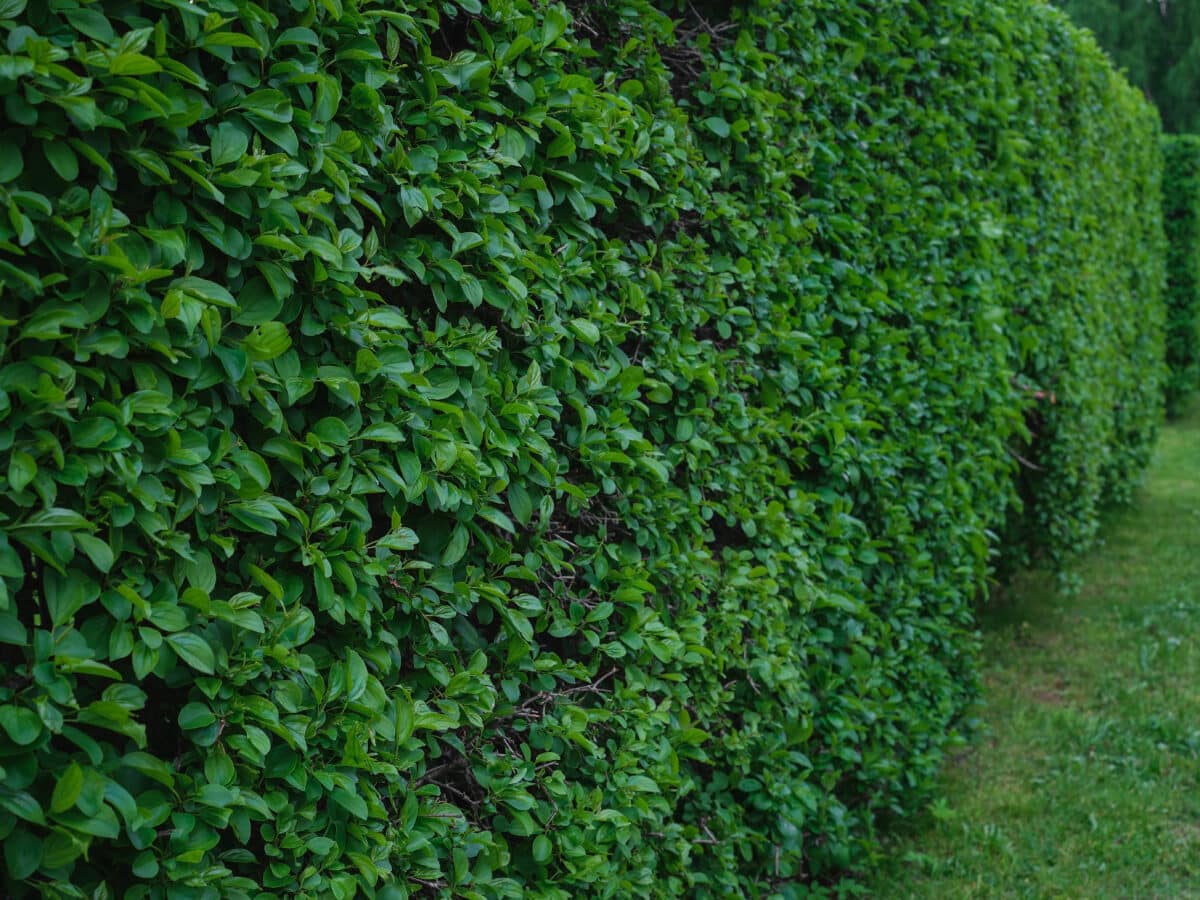
Shrubs sit in an awkward spot between a vegetable bed and a tree, and most watering charts just skip them. Water like a vegetable bed and a three-year-old boxwood gets a shallow, frequent sprinkle that never reaches its real root zone. Water like a tree and a small azalea drowns. Here’s how long to actually run drip irrigation for shrubs, broken out by type, age, and season, plus the adjustment that matters more than the minutes on the timer.
The short answer
For an established shrub on 1 GPH emitters and average garden soil, plan on 30 to 90 minutes per session, two to three times a week in the growing season. Small, young, or drought-tolerant shrubs sit at the low end. Large, newly planted, or moisture-loving shrubs sit at the high end. That’s a starting point to verify with a soil check, not a number to set and forget, since shrub size and emitter count swing the real answer more than the minutes on the dial ever will.
Why shrubs don’t follow the vegetable-bed playbook
A lettuce bed has roots a few inches deep across a small area, so short, frequent sessions make sense. A shrub is the opposite problem: the root system spreads out well past the canopy edge and settles in the top 12 to 18 inches of soil, wider than it is deep. Aim two emitters at the base of a mature shrub and run them for two hours, and most of that water just sinks straight down in a narrow column. The roots at the canopy edge, where a shrub actually does most of its feeding, never see a drop.
That’s the trap with shrubs specifically: the instinct when a shrub looks stressed is to add minutes. What it usually needs instead is more emitters spread around the drip line, so the same total water reaches more of the root zone rather than punching one deep, narrow hole.
Run times by shrub type, size, and age
These assume 1 GPH emitters (2 GPH for large or thirsty shrubs) on loam soil, with emitter count scaled to plant size as shown below. Sandy soil: shorten sessions by about a third and water more often. Clay soil: stretch the interval and keep the run time, since clay holds moisture far longer than sand.
| Shrub type / stage | Emitters | Run time | Frequency |
|---|---|---|---|
| New shrub, first 4-6 weeks | 2 x 1 GPH | 20-30 min | Every 2-3 days |
| Establishing, year 1 | 2 x 1 GPH | 30-45 min | 2x per week |
| Drought-tolerant, established (juniper, rosemary, lavender-type) | 2 x 1 GPH | 30-45 min | Weekly, or less once rooted in |
| Moderate shrubs, established (viburnum, spirea, forsythia) | 2-3 x 1 GPH | 45-60 min | 1-2x per week |
| Moisture-loving, established (hydrangea, azalea, camellia) | 3-4 x 1 GPH | 60-75 min | 2x per week |
| Large shrub or hedge screen (established) | 3-4 x 2 GPH | 60-90 min | 1-2x per week |
Hydrangeas are the one shrub on this list that punishes underwatering fast and visibly, wilting hard on a hot afternoon before bouncing back at dusk. The full watering routine, including why that dramatic wilt usually isn’t as urgent as it looks, is in soaker hose for hydrangeas. Evergreen hedges like arborvitae have the opposite failure mode: they look fine right up until the roots are already shallow and stressed, which the deep-and-infrequent approach in soaker hose for arborvitae is built to prevent.
Emitter count matters more than minutes
If I had to pick one fix for a shrub that isn’t thriving on drip, it’s this one. Two emitters at 60 minutes and four emitters at 60 minutes deliver very different results, even though the timer shows the same number, because the water is spread over roughly twice the soil area in the second case.
- Small shrub (under 3 feet): two 1 GPH emitters, placed on opposite sides of the root ball.
- Medium shrub (3-6 feet): three 1 GPH emitters, spaced evenly around the canopy edge, not the stem.
- Large shrub or hedge plant (6+ feet): four emitters, or a short loop of dripline circling the drip line, at 1-2 GPH each.
Move the ring outward as the shrub grows. A five-year-old shrub still watered with the two emitters it got at planting is being starved at the exact edge where the active roots have moved to. The same logic, with GPH ratings and spacing by plant size, is covered in more depth in drip irrigation emitters: types and flow rates explained.
Adjusting for soil and season
The chart above is a loam-soil, growing-season starting point. Real yards need two more adjustments:
- Soil. Sandy soil drains in hours, so cut run times by roughly a third and water more often rather than longer. Clay soil holds water for days, so the opposite move works: same or slightly longer run time, spaced out further apart. Running clay soil on the sandy-soil frequency is a common way to drown shrub roots without meaning to.
- Season. Summer heat can push run times up 25 to 50 percent over the spring baseline, especially for moisture-loving shrubs. Fall tapers back down, and most climates can cut shrub watering to near zero once the ground is cold, aside from the occasional deep soak during a dry winter warm spell. The general seasonal pattern, which applies to shrubs the same way it applies to the rest of a yard, is in how long to run drip irrigation, by plant, soil, and season.
Skip a scheduled session entirely after real rain. A half inch of rain does more for an established shrub’s root zone than most single drip sessions.
Checking the schedule with a dig test
Charts get a shrub schedule close, not exact, since pot size at planting, exposure, and wind all shift the real number. About an hour after a normal session, dig down 6 to 8 inches at the canopy edge, not next to the stem. The target is soil that feels like a wrung-out sponge at that depth: cool, holding together, no water squeezing out.
| What you find | What to do |
|---|---|
| Dry below 3-4 inches | Add one emitter or increase run time by 20-25%, then retest next session |
| Moist, holds together, no dripping | Schedule is right. Note it down and move on |
| Mud, or water pools at the surface | Cut run time by a third and check the emitters aren’t clustered too close together |
Repeat the test once in early summer and again after any major weather swing. After one full season, most people can judge a shrub bed by feel and skip the shovel.
Common mistakes with shrubs and drip irrigation
- Same two emitters from planting day, five years later. The ring needs to grow with the canopy, or the roots at the edge go thirsty while the center gets flooded.
- Adding minutes instead of emitters. A stressed shrub usually needs wider coverage, not a longer soak through the same two spots.
- Treating a whole mixed bed as one zone. A newly planted shrub next to a five-year-old established one wants a different schedule; splitting them onto separate valves, or at least separate emitter counts, avoids drowning one to satisfy the other.
- Ignoring soil type. A clay-heavy foundation bed and a sandy border along a fence line need genuinely different frequencies, even with identical shrubs.
FAQ
How long should I run drip irrigation for a newly planted shrub?
20 to 30 minutes, every 2 to 3 days, for the first 4 to 6 weeks. A fresh root ball is small and dries out fast, so short and frequent beats a single long soak until roots start spreading into the surrounding soil, usually 4 to 6 weeks after planting for most nursery-size shrubs.
How often should established shrubs be watered on drip irrigation?
Most established shrubs do well on 1 to 2 sessions a week once rooted in, with drought-tolerant types sometimes stretching to every 10 to 14 days in mild weather. More frequent light watering tends to keep roots shallow, while less frequent deep watering pushes them down and out, which is what makes a shrub genuinely more drought-resilient over time.
Is it better to add more emitters or run the timer longer for a struggling shrub?
Add emitters first. A struggling established shrub usually needs its root zone covered more widely, not the same narrow spot watered for longer. Bump the run time only after the emitter count already matches the shrub’s current size.
Do flowering shrubs need more water than evergreen shrubs?
Generally yes, especially during bud set and bloom, when moisture swings show up fast as wilting or dropped flowers. Evergreen shrubs and hedges tend to tolerate a slightly longer gap between sessions once established, though they still want the deep, wide watering pattern rather than a quick daily sprinkle.
Set the emitter count and run time from the chart, confirm with a dig test a week in, and grow the ring as the shrub does. More plant-specific schedules live in Watering Schedules, and the full breakdown of parts and flow rates behind any of these numbers is in drip irrigation emitters.