

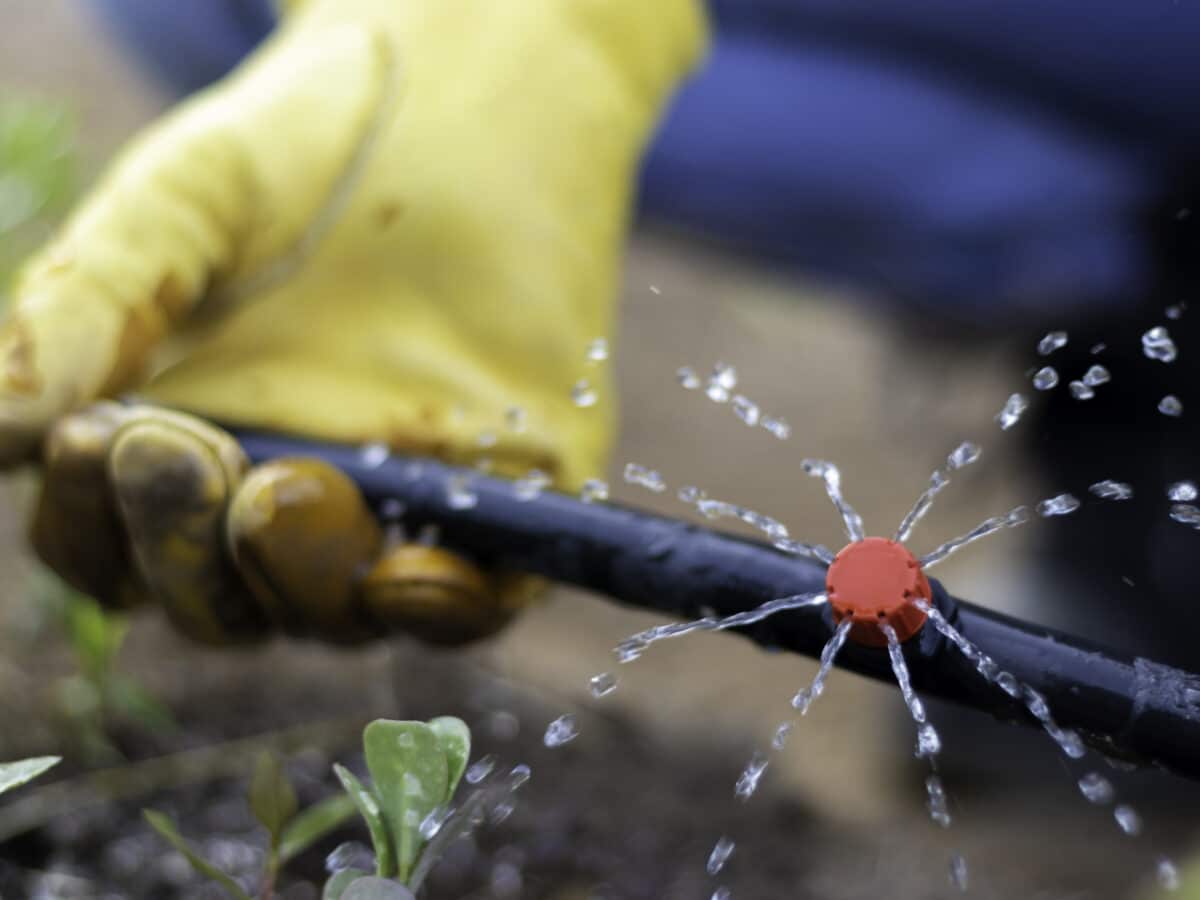
A drip system doesn’t fail all at once. It fails one clogged emitter at a time, one skipped filter rinse at a time, until the day half a bed looks wilted and you’re troubleshooting from scratch instead of doing five minutes of upkeep. Most of that is avoidable.
This is the maintenance side, not the repair side. If something’s already broken, drip irrigation repair covers fixes organized by symptom. This guide is about not getting there in the first place, with a season-by-season checklist you can actually stick to.
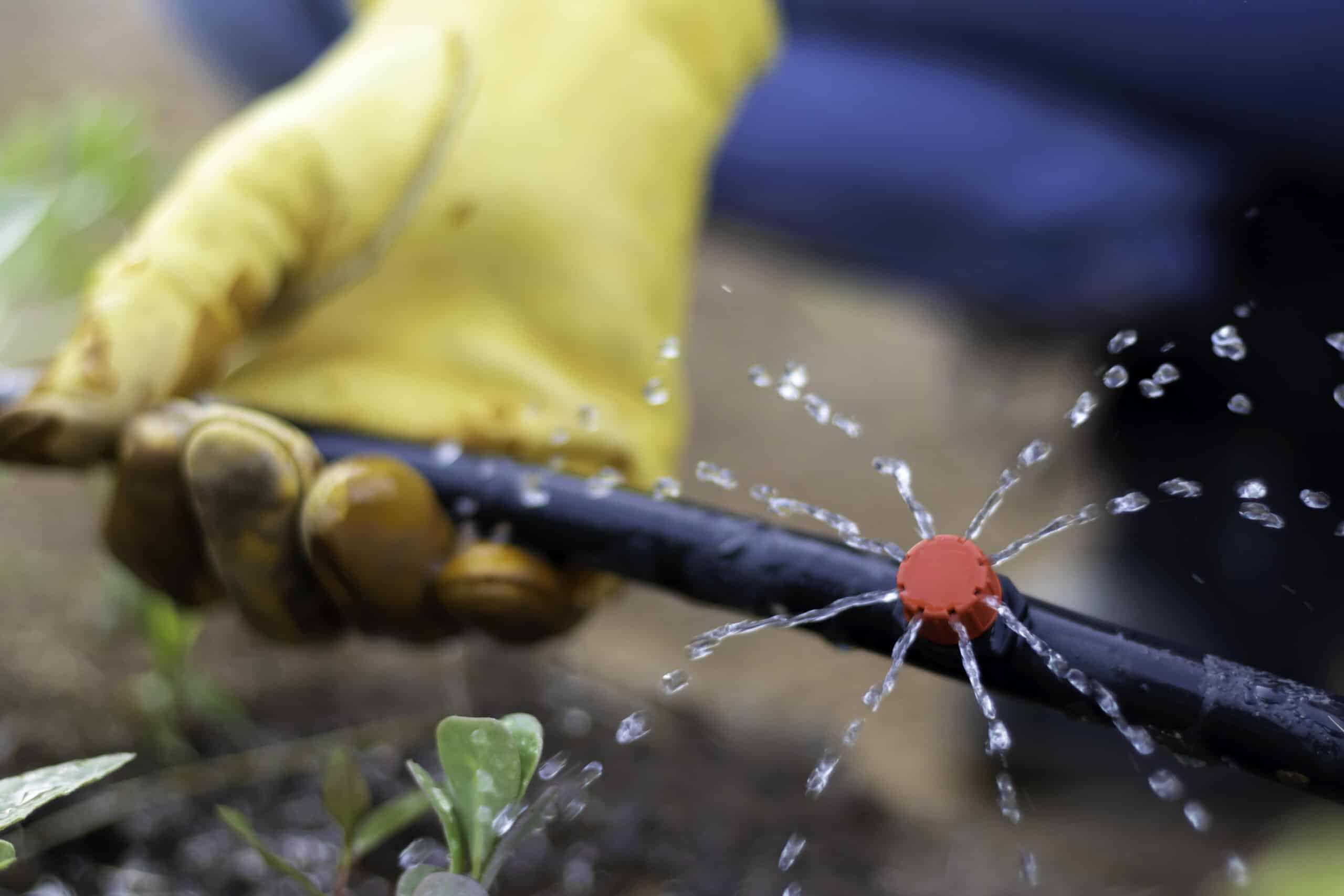
The maintenance calendar at a glance
| Season | What to do | Time needed |
|---|---|---|
| Spring startup | Flush lines, check the regulator, walk the system | 30-45 min |
| Growing season | Rinse filter every 2-4 weeks, spot-check emitters | 5-10 min per check |
| Late summer | Check for pressure creep and sun damage | 15 min |
| Fall shutdown | Drain, disconnect, store the timer | 30-60 min |
| Once a year | Deep-clean filter, test the regulator, replace worn parts | About 1 hour |
Spring startup, step by step
- Walk the whole system before turning the water back on. Look for winter damage: cracked fittings, chewed tubing, stakes that frost heave pushed loose.
- Reconnect anything you disconnected for winter, then turn the water on slowly, at a trickle first if your spigot allows it, rather than opening it all the way immediately.
- Run it for two full minutes with the end caps off. This flushes out anything that settled in the lines over winter, before it reaches your emitters.
- Rinse the filter screen even if you cleaned it last fall. Dust and grit find their way into fittings that sit empty for months.
- Walk the line while it runs. This is the one time of year you’re most likely to find a real problem, so budget the extra ten minutes for it.
What to check during the growing season
- Rinse the filter screen every 2 to 4 weeks, more often if your water runs cloudy or you’re on a well.
- Walk the system every couple of weeks and just watch it run for two minutes. Geysers and dry patches announce themselves.
- Watch for emitters that mist instead of drip. That’s an early sign the pressure regulator is failing or wasn’t reconnected correctly.
- Check that mulch hasn’t buried an emitter face-down into the soil. It looks like it’s watering. It usually isn’t watering much.
If something’s actually wrong at this point rather than just due for upkeep, that’s drip irrigation repair territory, organized by symptom so you can work backwards from what you’re seeing.
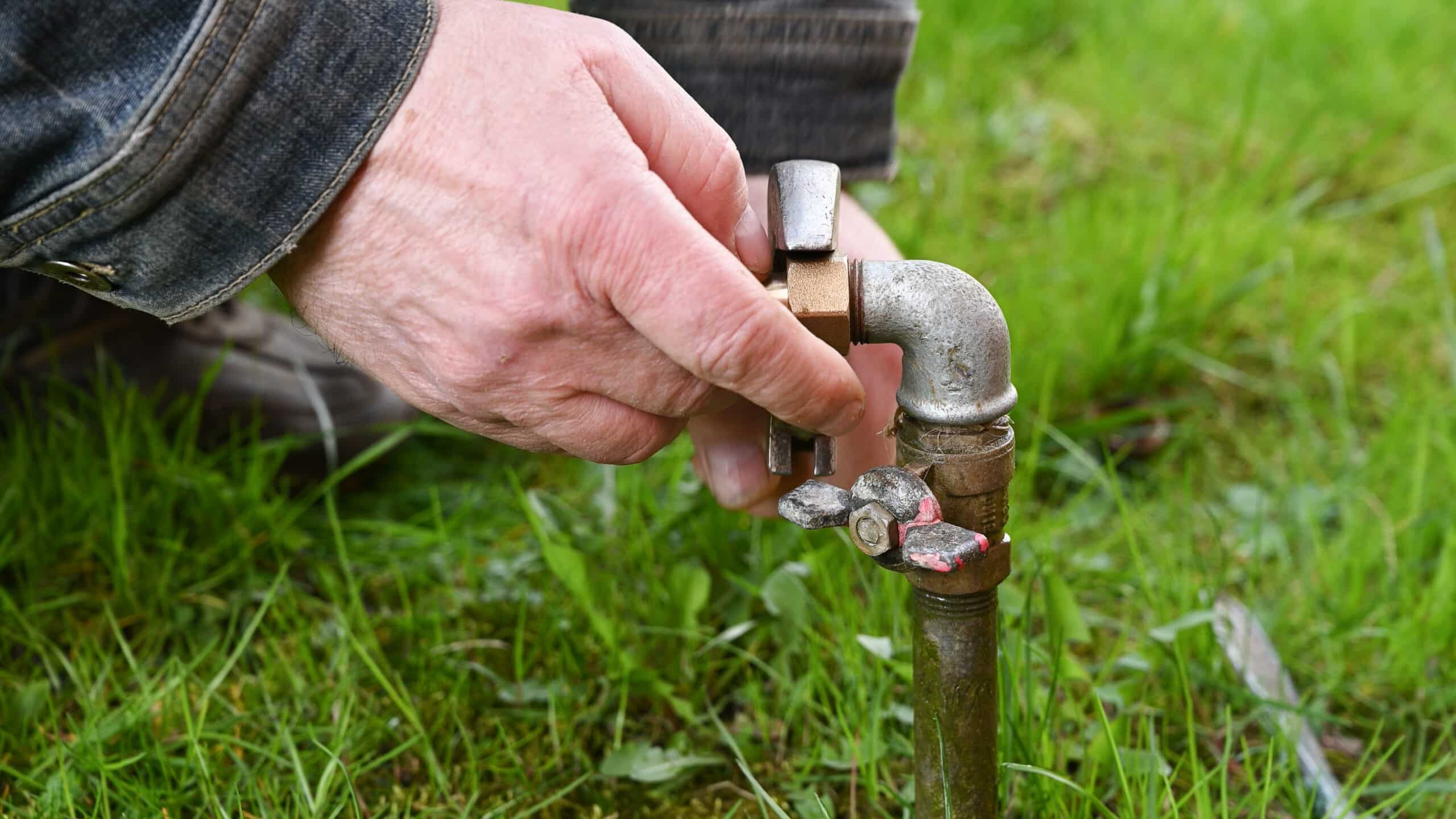
Fall shutdown and winterizing
Shutting down for the season is involved enough that it gets its own guide: draining the lines, what to bring indoors, and the spring restart checklist. The short version is drain before the first hard freeze and disconnect anything that holds standing water. Don’t skip it because last winter was mild. Full steps: winterizing your drip irrigation system.
The once-a-year deep clean
Pull the filter apart completely and soak the screen in white vinegar if it’s scaled. Confirm the pressure regulator is still bringing spigot pressure down to spec. An inline pressure gauge, sold in the same aisle, answers that in one test. Replace any tubing that’s gone brittle or chalky in the sun even if it isn’t leaking yet, and swap out stakes that have snapped or bent.
A basic maintenance kit
| Item | Why you need it | Cost |
|---|---|---|
| Spare filter screen | Swap in while the old one soaks, no downtime | $5 to $8 |
| Inline pressure gauge | Confirms the regulator is still working | $8 to $12 |
| White vinegar | Descales scaled emitters and filter screens | Pennies |
| Goof plugs and couplings | Doubles as your repair kit | $8 to $10 |
| Permanent marker | Write install dates on timers and regulators so you know their age later | – |
Maintenance or repair? How to tell
Routine and preventive is maintenance: rinsing a filter, walking the line, replacing a part before it fails. Something actively dripping wrong, not dripping at all, or spraying instead of weeping is a repair, and the repair guide is organized to get you from symptom to fix fast. A little maintenance is what keeps you out of that guide most seasons.
Frequently asked questions
How often should I really check my drip system?
A two-minute walk-through every couple of weeks during the growing season catches almost everything before it gets expensive. Add the filter rinse every 2 to 4 weeks and you’ve covered the maintenance that matters.
Do I need to do all this for a simple one-zone setup?
A smaller version, yes. Even a single zone benefits from the spring flush, periodic filter rinse, and fall drain. The deep-clean and full kit matter more once you’re running multiple zones with more parts that can go wrong.
What actually kills drip systems fastest?
In my experience, it’s UV damage on cheap tubing left exposed instead of mulched, and skipped winterizing. Both are avoidable and neither costs much to prevent, which makes them frustrating to see repeated.
Is a maintenance contract worth it for a home system?
Not at this scale. Everything on this list is doable with basic tools and no special skills. Save the professional help for larger commercial installations.
Once the seasonal rhythm is routine, most of what’s on this page stops requiring conscious thought. For the parts themselves, the drip irrigation systems guide is the hub, and pressure regulator for drip irrigation covers the single part most worth checking during that annual deep clean.